
Last updated November 15, 2026
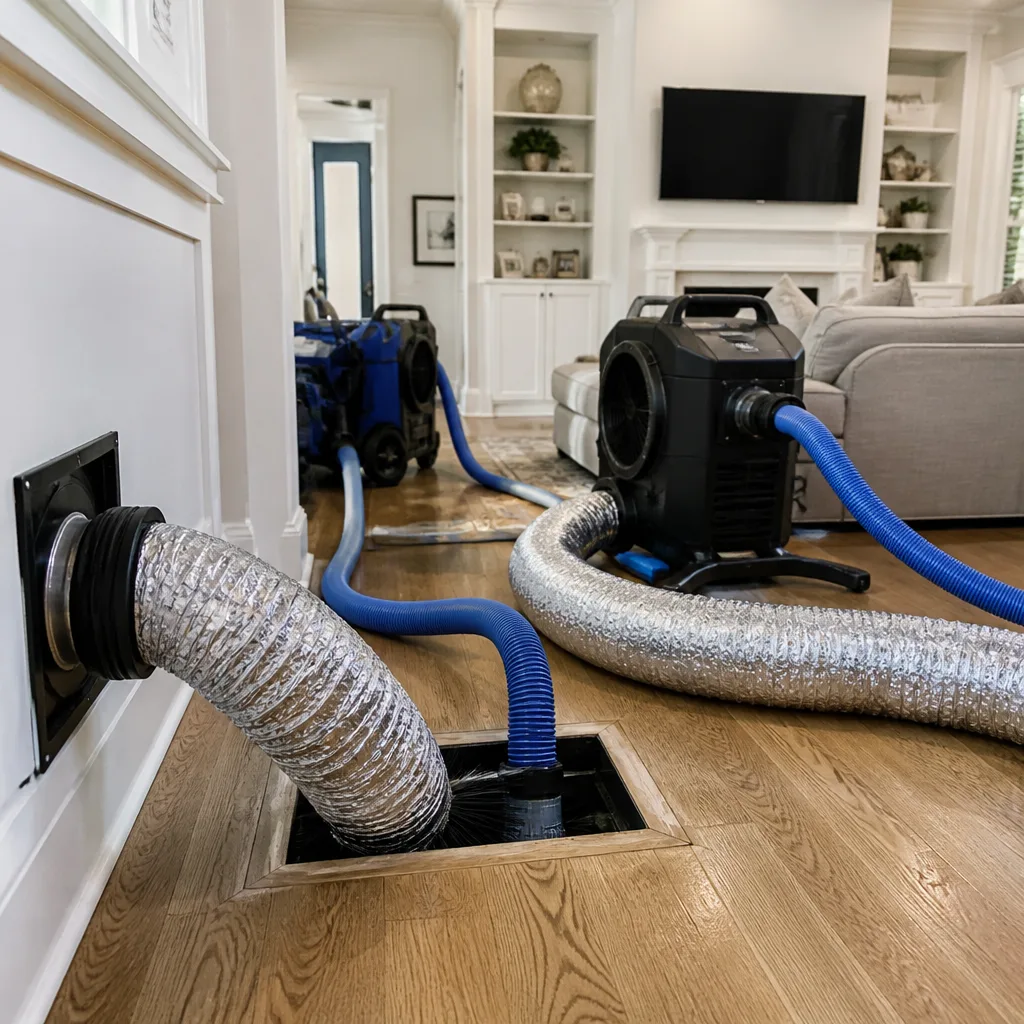 Whole-home duct cleaning
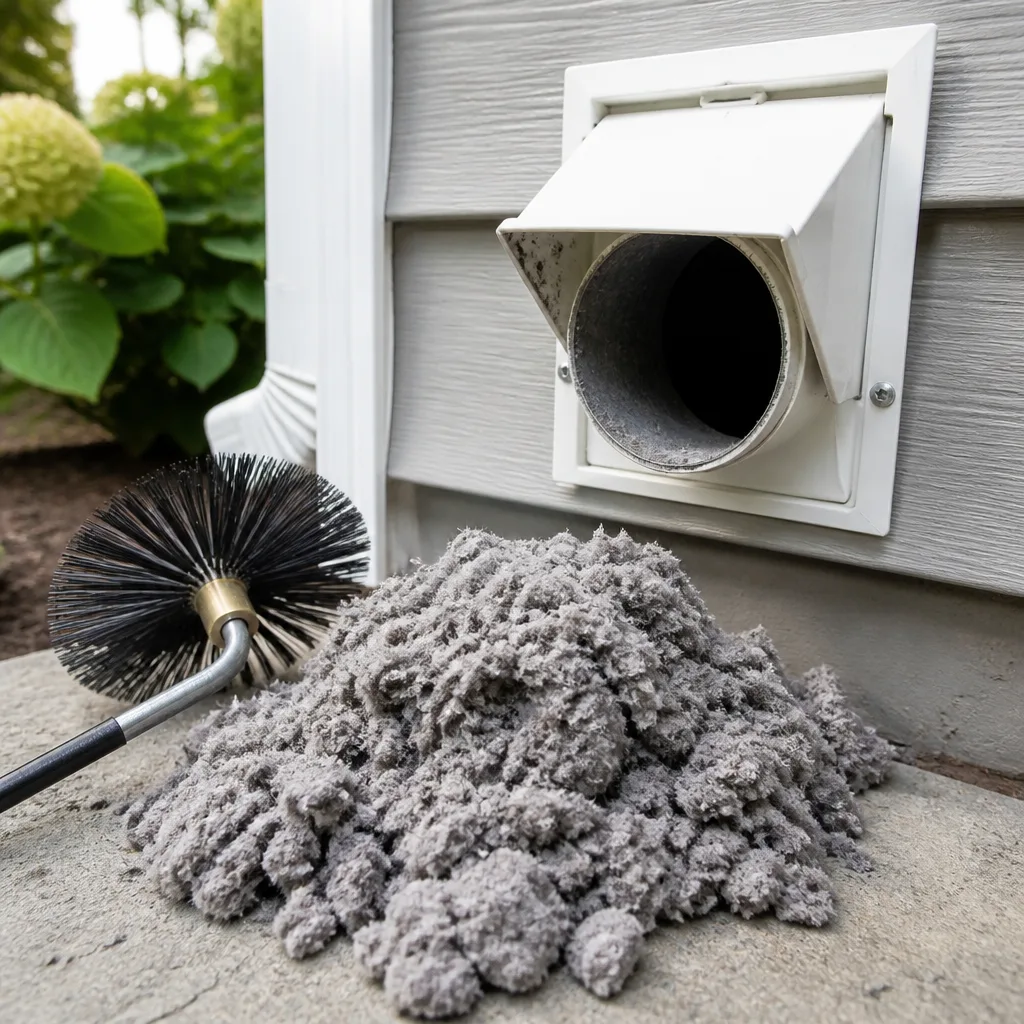 Dryer vent cleaning
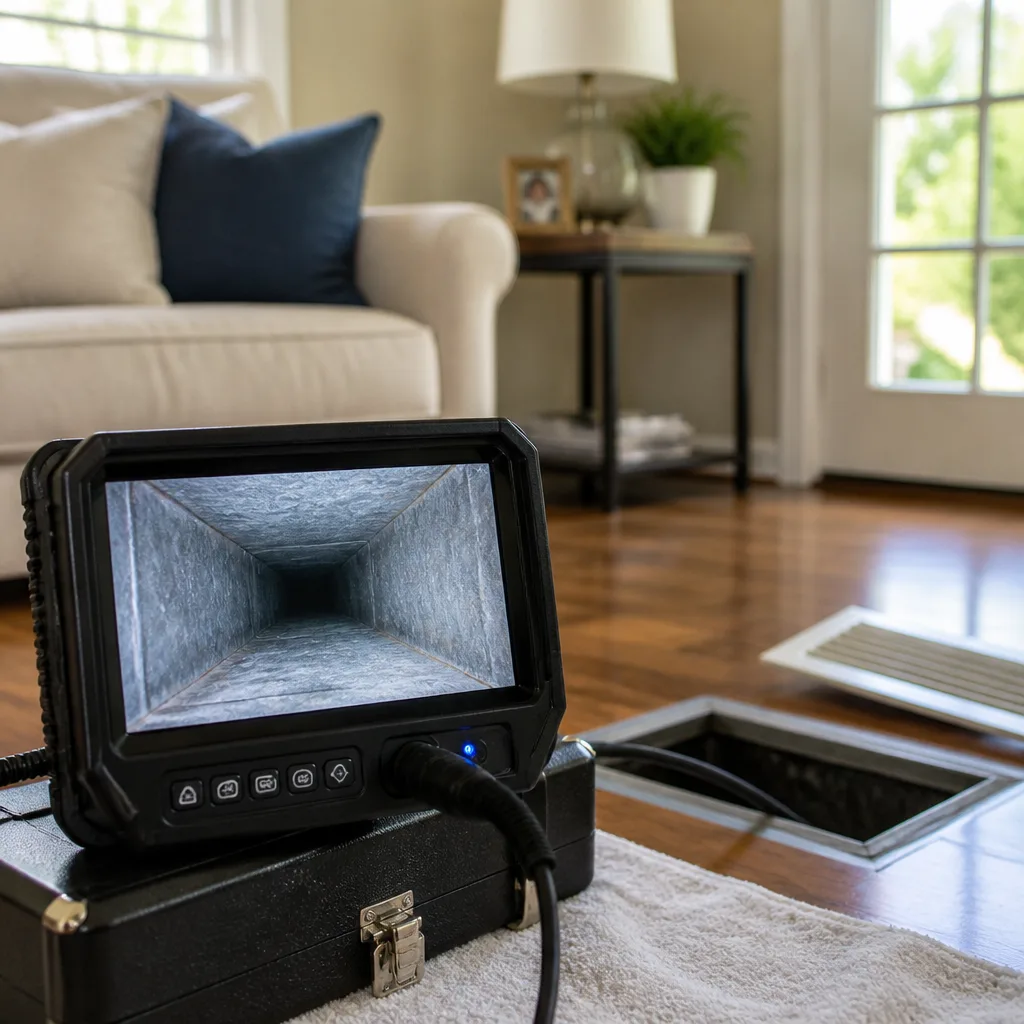 Camera inspection
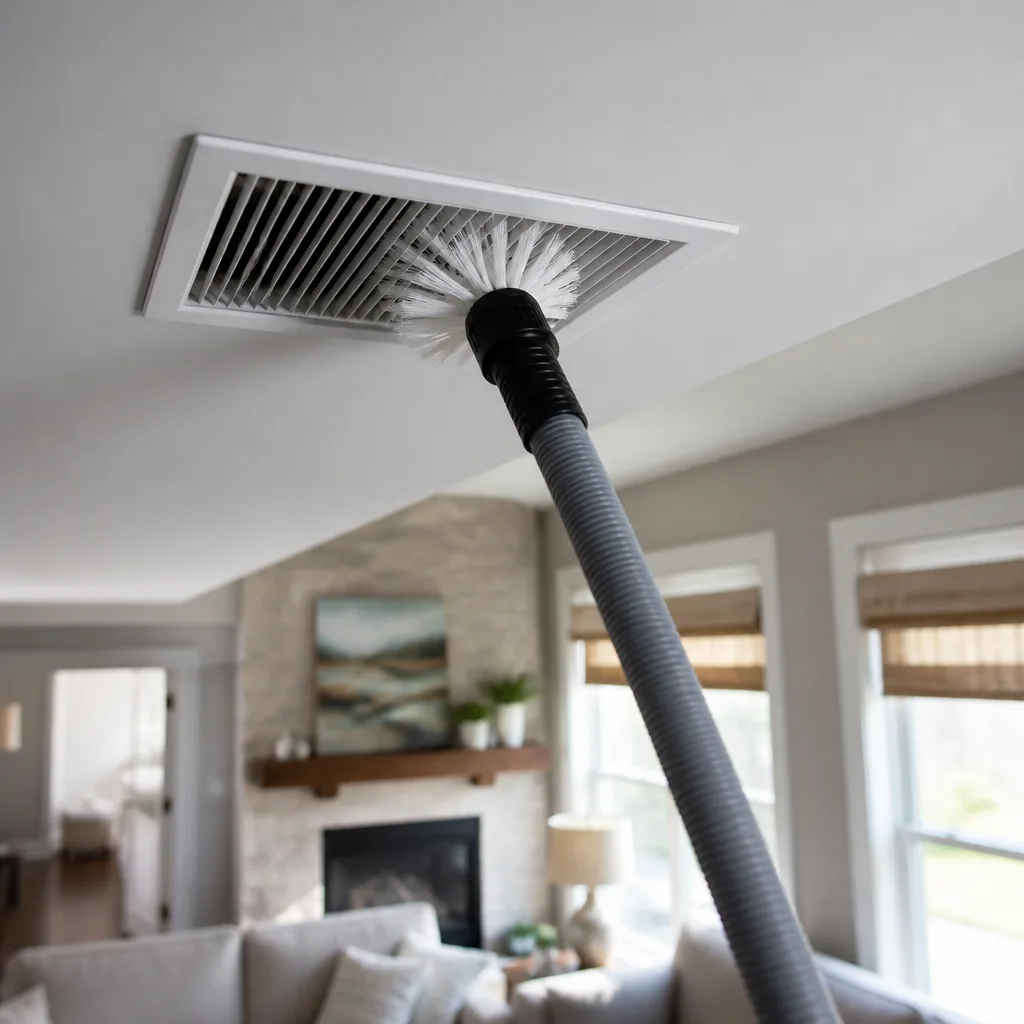 Sanitizing & deodorizing
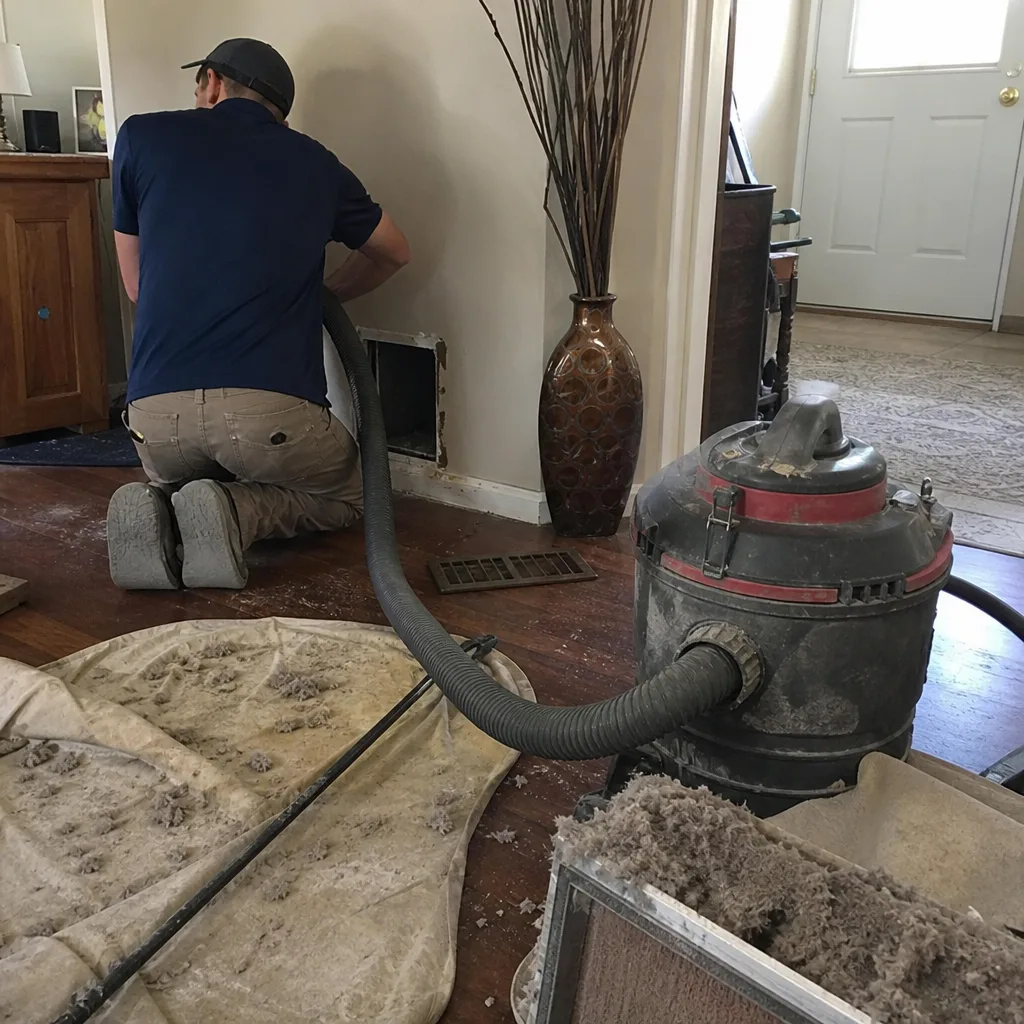
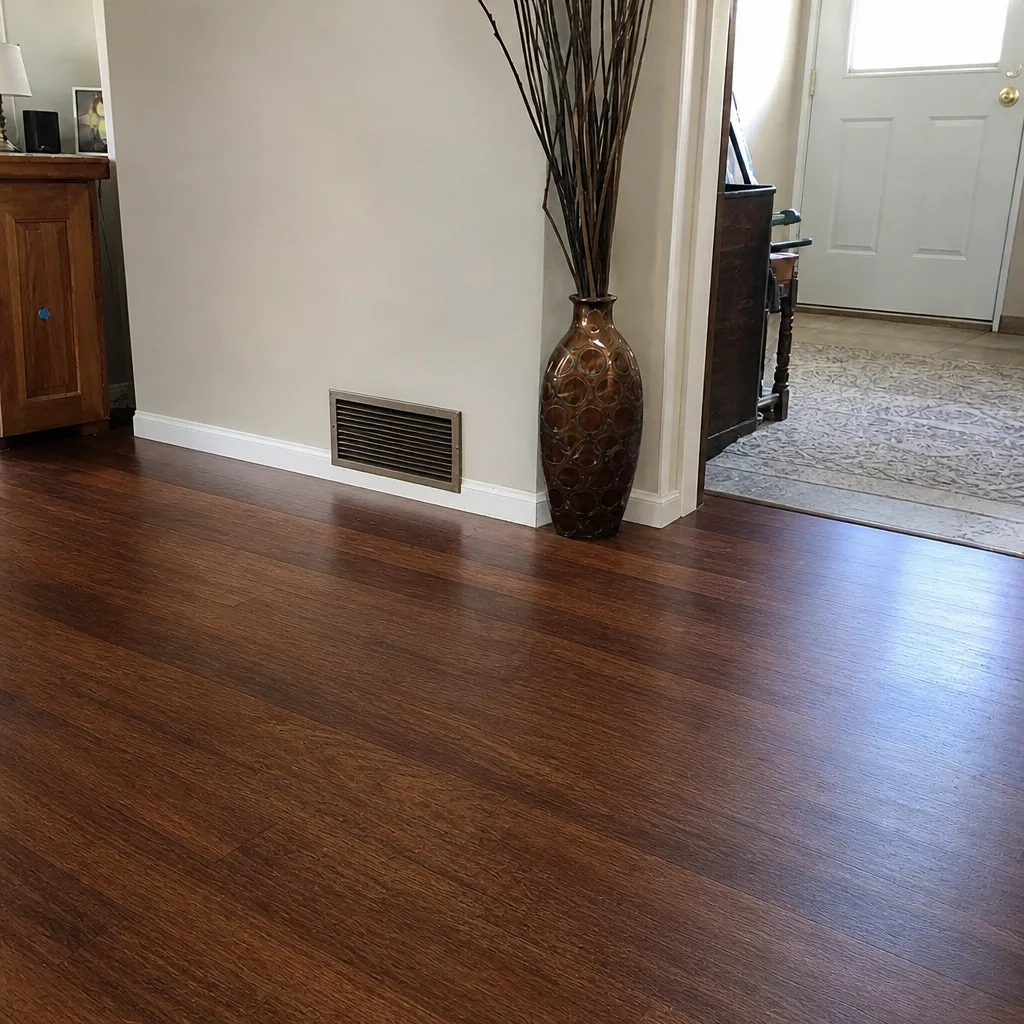
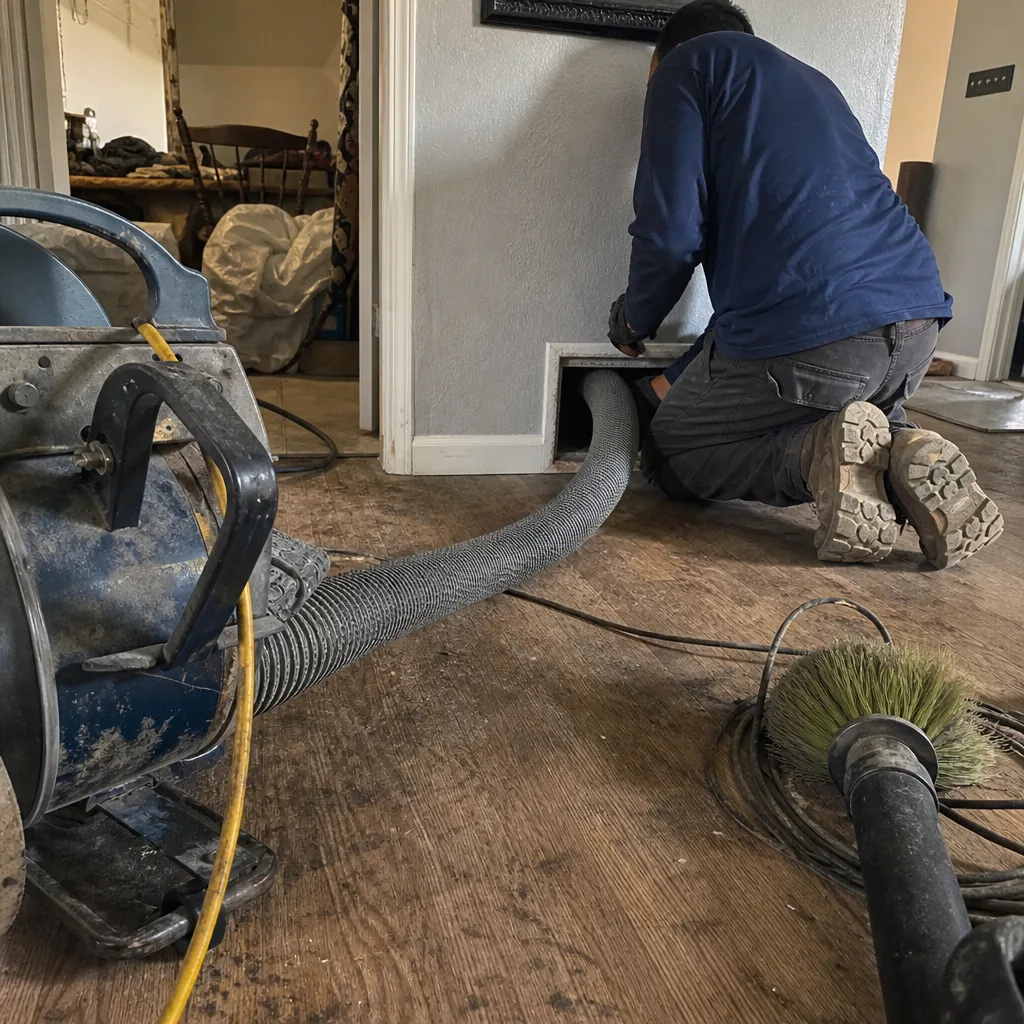
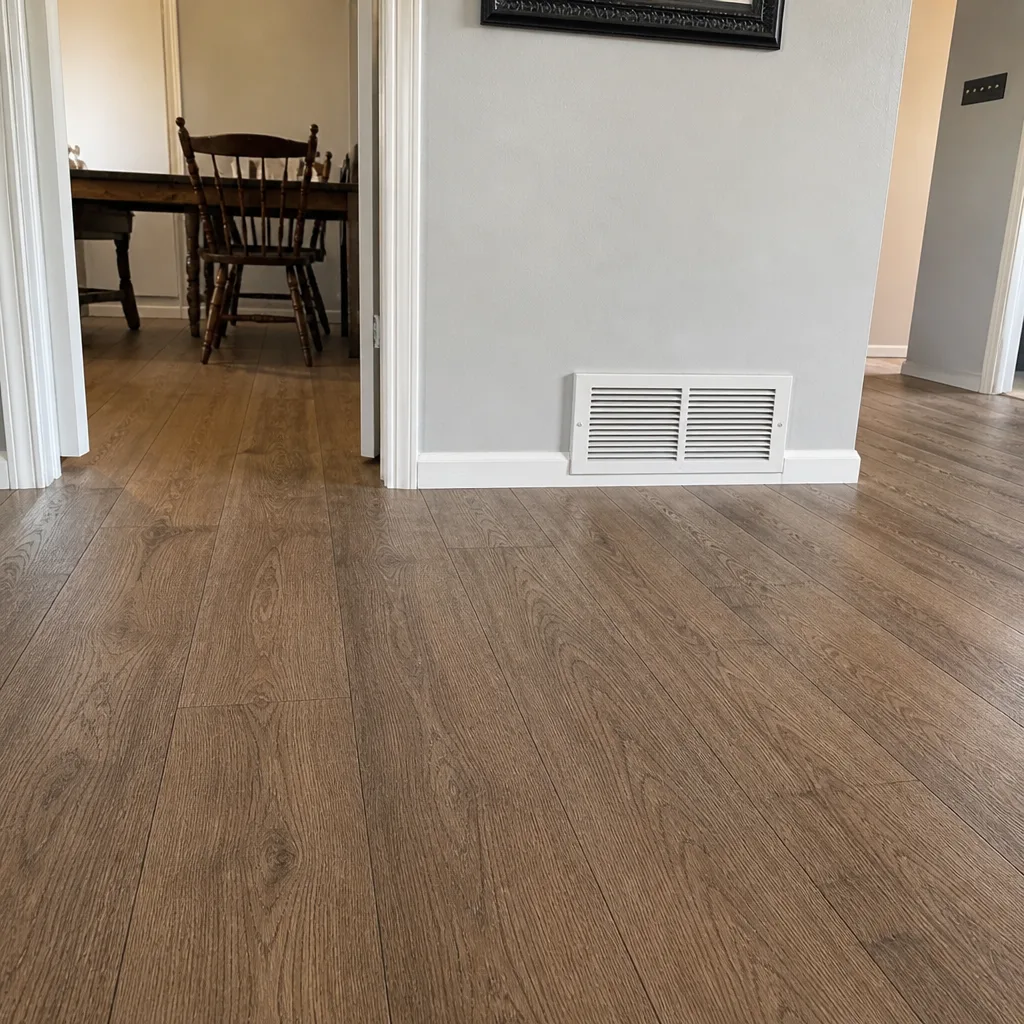
Whole-system duct and dryer vent check with before-and-after photos - you see exactly what came out of your vents
That "$99 whole-house special" is a bait ad - the real number appears once they are in your hallway, or the "clean" is a shop-vac at the register. We photograph the inside of your ducts before and after instead.
Air Duct Cleaning Emergency Preparedness Guide for West Jordan Homes
Most homeowners think of their ductwork as passive plumbing for air. After a smoke event, a flood, or a seismic shake, that assumption is the problem. Air moves through the same channels every time the blower runs, and if those channels took on contamination, restarting the system spreads it into every room at once. The order of your response matters more than any single step, and doing the big step (cleaning) before the inspection step can make things worse. This guide walks through the three emergencies West Jordan homes actually face: wildfire smoke, water intrusion, and earthquakes. You’ll learn what to shut off and when, how to tell whether contamination is structural or surface-level, what your insurance may cover, and how to spot a contractor equipped for remediation rather than routine maintenance.
Quick Answer
After a wildfire smoke event, flood, or earthquake in West Jordan, do not restart your HVAC until the duct system has been inspected for contamination and physical damage. Shut the system off at the thermostat first, document everything with photos, then have the ducts inspected and cleaned with professional HEPA-rated equipment before running air through the house again. Contamination you haven’t addressed becomes contamination you’ve distributed.
Styles & brands we work with
- Whole-home duct cleaning
- Dryer vent cleaning
- Camera inspection
- Sanitizing & deodorizing
Table of Contents
- Why Ducts Are Part of Your Emergency Plan
- Post-Wildfire Smoke: What to Do Before Restarting the HVAC
- Flood and Moisture Events: Assessing Duct Contamination
- Earthquake Response: Checking for Duct Joint Separation
- What Insurance and FEMA Typically Cover
- Emergency Remediation vs. Routine Cleaning
- Documentation and the Paper Trail You’ll Need
- Signs Your Ducts Need Attention Now
Why Ducts Are Part of Your Emergency Plan
Your return air system works like a vacuum in reverse. The blower pulls air from the rooms, through the return grilles, into the return duct, past the filter, and pushes it back out through the supply runs. With a standard filter, particulate smaller than the filter’s rating passes straight through. That includes fine wildfire ash, soot, and the smaller fraction of airborne debris that tends to stay suspended. Those particles don’t just get delivered and forgotten. They settle on duct walls, in joints, and in the crevices where flex duct transitions to rigid sheet metal.
In our experience, the settle points matter more than the ducts themselves. The horizontal runs and the boots at each register collect more than the vertical sections, and the return plenum near the furnace is usually the dirtiest stretch in the whole system. West Jordan’s mix of older and newer housing means we see both flex and rigid duct construction, and each traps contamination differently. Rigid sheet metal develops a coating that can be agitated loose; flex duct ribs collect particulate in the low spots. Both need agitation, not just suction.
This is why the sequence after any emergency is inspection, then cleaning, then restart. If you clean without inspecting, you may miss structural damage. If you restart without cleaning, you distribute what settled. Routine service is a scheduled job. Post-emergency work is a different scope of work, and it deserves an approach built for it.
We handle the complete picture through duct cleaning West Jordan, which means the same visit can address cleaning, a repair finding, and dryer vent issues rather than handing you three separate appointments.
Post-Wildfire Smoke: What to Do Before Restarting the HVAC
When wildfire smoke lingers in the Salt Lake Valley, the advice to “keep windows shut and run the fan” is only correct if your ducts are clean. If they aren’t, recirculation concentrates the fine fraction of smoke particulate in the same closed house. Here’s a step-by-step that prioritizes safety.
- Shut off the HVAC at the thermostat. Turn the system to off, not fan-only. A fan-only setting still moves air through dirty ducts.
- Close windows and any fresh-air intake. If you have a fresh-air damper or an economizer, close it. Outdoor air is not your friend during a smoke event.
- Run a portable HEPA air cleaner in your main living space. A single clean room beats a whole house recirculating contaminated air.
- Photograph the return grilles and the furnace filter. The filter’s condition is a useful record of how much smoke load entered the system.
- Check the filter and note its rating. If it’s loaded with gray-black soot, that tells a technician the system moved smoke rather than filtered it.
- Call for an inspection before you restart. Have the ducts inspected for contamination and the filter replaced with a suitable filter before the system comes back on.
- Clean, then restart. Professional cleaning with rotary brush agitation and HEPA-rated negative-air extraction removes what settled. Restart only after the work is done.
Professional remediation of a smoke-contaminated duct system typically involves several passes rather than one. Brush agitation loosens the adhered soot, and negative-air HEPA extraction (the kind of setup Nikro and Abatement Technologies equipment is built for) contains it so it doesn’t re-enter the room. Our equipment choices reflect that: Rotobrush rotary brush systems for the agitation, Nikro for the negative-air extraction, Abatement Technologies for filtration and containment during the work.
One more detail worth knowing. The dryer vent is a separate pathway and a separate concern during smoke events, because it’s a direct opening in your envelope. dryer vent cleaning is safety-focused work, and it’s worth a look after any major smoke event if the vent has been sitting with lint in it.
Flood and Moisture Events: Assessing Duct Contamination
Utah’s flash-flood risk is easy to underestimate. The valley drains fast, and a single intense storm can push water into basements, crawl spaces, and through the ceiling if a roof drains poorly. When water reaches the ductwork, the question isn’t whether the ducts got wet. It’s whether the interior surfaces and insulation stayed wet long enough to support mold growth. In our dry climate that window is longer than people assume. Below-grade crawl spaces stay humid for weeks after a storm even when the visible surface water is gone.
Here’s how to assess the situation, in order:
- Turn the system off. Wet ducts plus airflow equals a moisture distribution system. Don’t run the HVAC or the air handler.
- Find where water entered. Check the crawl space, the furnace closet, and the ceiling runs above any affected room.
- Look for duct insulation damage. Exterior-wrapped insulation and internal duct liner both absorb water. Insulation that stayed wet is a mold risk whether or not you see growth yet.
- Check flex duct for sagging. Wet flex duct can sag, create low spots, and hold water inside the run.
- Note any musty odor. Musty odors after a moisture event often come from duct liner or filter media, not the air itself.
- Schedule an inspection before any restart. A technician can determine whether cleaning will restore the duct or whether the affected sections need replacement.
Rough timeline to keep in mind: mold spores need moisture and a suitable surface, and porous surfaces like duct liner are the most favorable. In a West Jordan climate, a wet crawl space that isn’t dried promptly is a genuine risk for weeks, not days. That’s why the inspection comes before cleaning. If the liner is compromised, cleaning alone isn’t the fix. This is where duct repair earns its place in the conversation. We address compromised ductwork at the source rather than cleaning around a problem and leaving the homeowner to discover it later.
Earthquake Response: Checking for Duct Joint Separation
Utah sits in an active seismic zone, and Wasatch Front homes are built with the expectation that shaking is possible. The visible damage usually gets the attention: cracked drywall, shifted furniture, fallen shelving. Duct joint separation is one of the findings that gets missed. The reason is straightforward. Ducts are connected at joints with screws, tape, mastic, or flex fittings, and shaking can pull those connections apart without visible exterior signs. The result is a system that pulls air from an attic or crawl space instead of pulling it from the rooms where it should.
What to look for before running the system:
- Listen for rattling or a change in airflow after you restart. Uneven flow to one room often points to a separated joint.
- Check the supply boots at each register. Shaking can pull the boot away from the floor or wall connection.
- Look at the main trunk line in the attic or crawl space. Visible gaps at the joints are worth documenting.
- Inspect the flex duct connections. These are the most likely to pull loose at the collar.
- Don’t run the system to “test” it if you smell gas or see obvious damage. If you smell gas, that’s a separate emergency; evacuate and call your gas utility, not a duct contractor.
If you notice a change in airflow, poor heating or cooling in one or two rooms, or dust accumulating around a register, those are signs worth investigating. The repair work is straightforward when it’s caught early. This is the reason we offer air duct cleaning and duct repair as services that inform each other, because an inspection that only cleans misses separation and an inspection that only repairs leaves the contamination in the adjacent sections.
What Insurance and FEMA Typically Cover
Coverage questions after a disaster get complicated fast, and this is where homeowners waste the most time. The general answer is that homeowners insurance may cover duct cleaning when the contamination or damage results from a covered peril, such as a burst pipe, an ice damming event that caused water intrusion, or a covered storm. It typically does not cover the gradual accumulation of dust and debris that no single event can be tied to. FEMA assistance is typically limited to areas that have received an individual assistance declaration, and it’s generally not a substitute for insurance but a supplement. Always check your own policy before assuming either applies.
What you’ll want for documentation:
- Dated photos of the before condition. Pictures of the water line, the furnace closet, the affected registers, and the filter.
- A written inspection report from the contractor describing what was found and why cleaning or repair is needed.
- An itemized estimate from the contractor, broken out by service. Most insurers prefer line items to a lump sum.
- Before-and-after photos of the actual before-and-after condition. These are the most useful evidence that the work was done and what it accomplished.
- Receipts for any emergency mitigation (fans, dehumidifiers, temporary filters).
- A copy of your policy declaration page so the adjuster can match the loss to coverage quickly.
We can work with your insurer and provide documentation in the format most claims adjusters ask for. We don’t promise coverage outcomes, because only your insurer decides that. What we can do is give you the paper trail and the inspection report in the format that supports a clean claim.
Emergency Remediation vs. Routine Cleaning
The difference between post-emergency duct work and routine maintenance cleaning is not marketing. It’s scope, equipment, and the way the technician thinks about the system. A routine cleaning treats surfaces as dirty. A remediation-informed cleaning treats the surfaces as potentially damaged, which means the scope of work needs to include inspection and possible repair. Here’s how to tell the two apart when you’re comparing contractors.
- Equipment. Routine maintenance can be done with a good truck-mounted vacuum. Remediation work needs agitation and negative-air control: rotary brush agitation like the Rotobrush system, and HEPA-rated extraction like Nikro. This matters because a standard shop vac setup can’t contain fine soot or mold spores.
- Containment. Post-emergency work often needs containment to keep the dirtiest air isolated during the job. Abatement Technologies filtration equipment exists for this reason.
- Repair capability. A contractor who only cleans will leave a separated joint or a wet liner untouched. Ask whether they handle duct repair or whether they’ll refer that to someone else.
- Inspection process. Ask how they’ll determine whether the duct is contaminated versus damaged. If the answer is “we’ll vacuum it,” that’s a signal.
- Documentation. Before-and-after photos of the actual system, not stock images. A written report where needed.
- A filter conversation. A technician who thinks about air quality will ask what filter you’re running and whether an upgrade makes sense. We’re familiar with Honeywell, Aprilaire, and Guardsman products for that reason.
A low-price coupon crew is a routine-maintenance answer to an emergency question. The system’s condition is the deciding factor, not the price on the flyer. If you’re comparing estimates after a disaster, ask what equipment will be on-site and what the technician will do if they find damage.
Documentation and the Paper Trail You’ll Need
Even if you never file a claim, documentation is worth keeping. The photos and reports take fifteen minutes to gather and save hours of argument later. Here’s the minimum set for any post-emergency duct work in West Jordan.
- Take photos before anyone touches anything. The water line, the soot deposits, the filter, the register grilles. Include something for scale where possible.
- Write down the date and time of the event and of any action you took (system shutoff, filter change, fans deployed).
- Keep the thermostat setting records. If the system was running during the event, note that.
- Save the inspection report from the contractor. It should describe what was found, not just what’s recommended.
- Keep the itemized estimate and the invoice. Insurers and adjusters will want both.
- Store the contractor’s contact information and any warranties on the work.
- File before-and-after photos of the system. Ask for them if the contractor doesn’t provide them automatically.
Our practice is to photograph the actual system we’re working on, before and after, with the documentation we’d want if we were filing a claim. That’s a habit built from doing enough remediation work to see how useful it is.
Signs Your Ducts Need Attention Now
Some signs point to routine maintenance. Others point to a problem that shouldn’t wait. The distinction matters when you’re deciding whether to schedule or to call.
- Persistent dust after cleaning, which suggests the ducts are still releasing particulate. Routine cleaning should reduce visible dust; ongoing accumulation suggests a source.
- Musty odors when the system runs, which points to moisture in the liner or filter media.
- Uneven airflow across rooms, most often a separated joint or a crushed flex run.
- Allergy flare-ups that continue after other measures, especially in a home where ducts haven’t been serviced.
- Visible signs of water around the furnace or in the crawl space.
- Smoke odors that return when the heat runs, months after a fire season.
- Post-earthquake complaints that appeared after shaking.
If you’re seeing several of these together, that’s the signal to schedule an inspection rather than waiting for the next routine cycle. West Jordan’s housing mix and our valley’s air patterns mean these signs deserve attention rather than a mental note to get to it later.
Common Mistakes to Avoid
- Restarting the HVAC before inspecting. It’s the single most common mistake. Running the system distributes contamination you haven’t addressed. Shut it off and keep it off until the ducts have been checked.
- Assuming the filter caught everything. A standard filter catches some particulate and passes the rest. Fine soot and finer mold spores are the fraction that gets through. Don’t let a clean filter create false confidence.
- Cleaning before assessing for structural damage. If you clean first and the technician finds a separated joint or wet insulation, you’ve spent money before knowing the scope. Inspection comes first.
- Skipping the dryer vent. After a flood or smoke event, the dryer vent is the other opening in your envelope and it deserves its own inspection. Treating it as an add-on to the duct cleaning is how important work gets missed.
- Taking the lowest bid on remediation work. A bid price that’s significantly below the rest usually means a different scope of work: a shop-vac setup rather than a contained, HEPA-rated remediation. Ask what equipment is on-site before deciding.
- Filing a claim before you have documentation. A claim without photos and a written inspection report is a slow claim. Gather the paperwork first.
- Ignoring the filter rating after the work is done. The right filter rating for your system is worth a conversation after a major event. We’re familiar with Honeywell, Aprilaire, and Guardsman products, and a quick conversation about what your system can handle saves a return visit.
See the difference
 Before
 After
 Before
 After
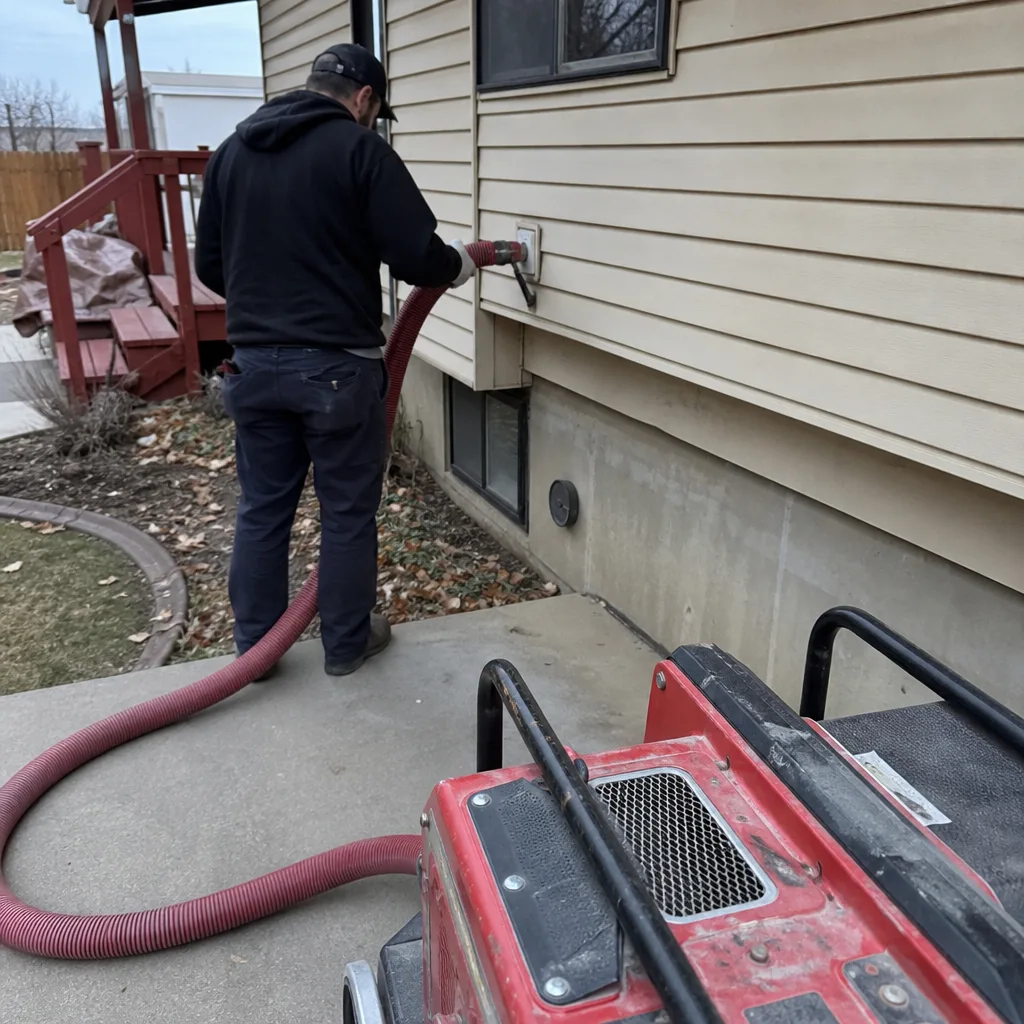 Before
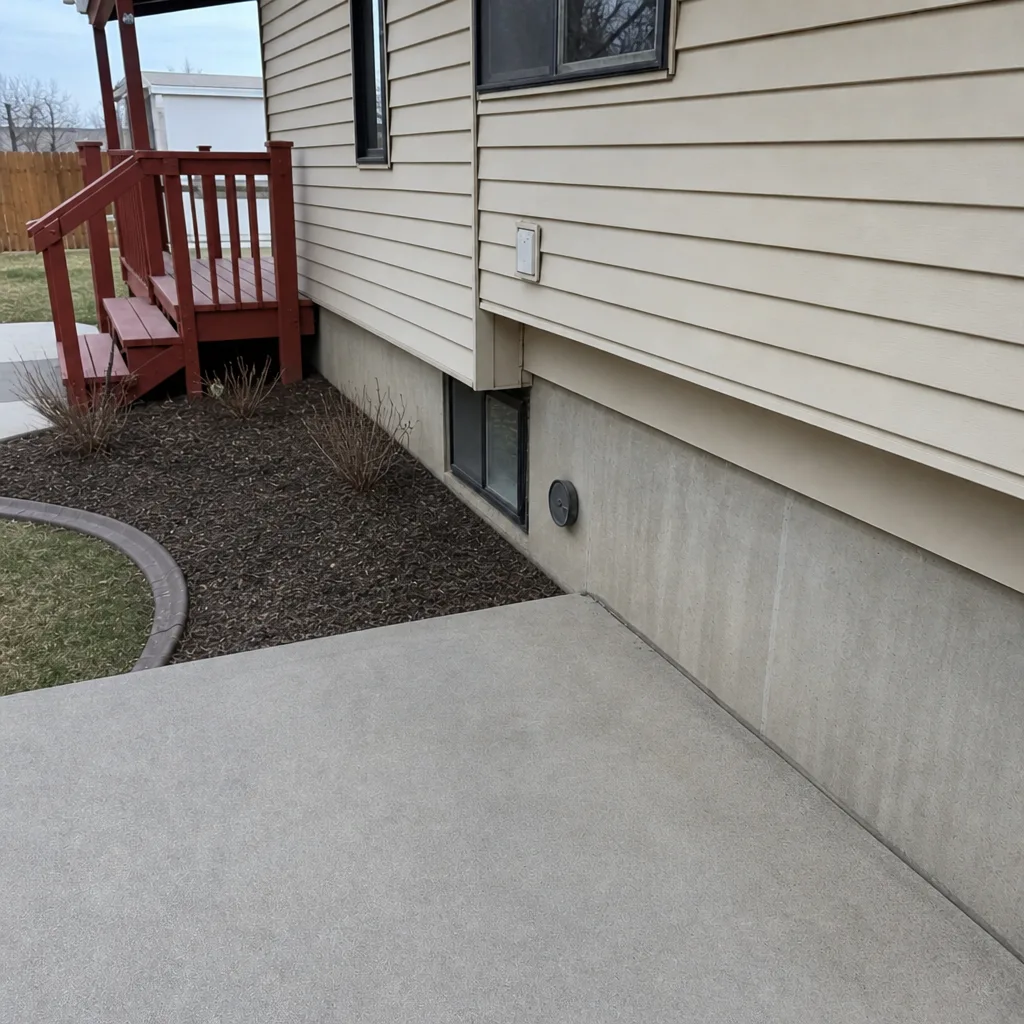 After
When to Call a Professional
Call a professional after any of these events: a wildfire smoke event that lasted more than a day in your area, water intrusion into the crawl space or ceiling, an earthquake with felt shaking, or a persistent musty odor that doesn’t clear after changing the filter. Call sooner if you see visible debris at the registers, if airflow has changed noticeably, or if you’re filing an insurance claim and need an inspection report. Cleaner air is a system outcome, and the system needs a technician who can inspect, clean, and repair as needed. Duct Cleaning West Jordan offers free estimates in West Jordan. Call (888) 351-4348. We answer 24/7. Fast dispatch, 7am-7pm, Sunday through Friday. Our technicians have up to 11 years of experience, and the estimate is free.
Frequently Asked Questions
There’s no single answer because the scope depends on what the event left behind. A routine whole-system cleaning is one scope; remediation after smoke infiltration or water intrusion often includes inspection, agitation and negative-air extraction, and possibly repair, which adds to the total. We don’t quote per-vent prices or coupon figures because they don’t reflect the actual work. The written estimate sets the price, and the estimate is free. Call (888) 351-4348 for an exact quote on your property.
Cheaper quotes usually reflect a narrower scope: a truck-mounted vacuum and a surface pass rather than contained negative-air extraction with rotary brush agitation. That can be adequate for light routine cleaning, and it’s often not adequate after smoke or water damage. The right question is what equipment will be on-site and what the technician will do if they find a compromised section. If the answer is “vacuum and go,” consider whether that’s the right scope for your situation. Call (888) 351-4348 for an exact quote on your job.
Ask for before-and-after photos of your own system, not stock images, and a written report describing what was found and what was done. Any contractor doing remediation work should expect that question. Our practice is to provide photos of the actual work, before and after, plus the inspection report when one’s needed. If you’re filing a claim, the photos and report support it. Call (888) 351-4348 for a free estimate.
For a home with no specific problem, cleaning is typically a scheduled maintenance item rather than a frequent one. A fire, flood, or earthquake is a different threshold: those events justify inspection regardless of when the last cleaning was. Don’t wait for a routine cycle after a major event. Call (888) 351-4348.
Don’t run it with the fan on recirculation until the ducts have been inspected. The fan moves air through whatever has settled on duct surfaces, and smoke particulate is fine enough to pass a standard filter. Shut the system off, run a portable HEPA unit in your main room, and have the system inspected. Call (888) 351-4348 for a free estimate if you’re unsure where to start. We answer 24/7.
It may, when the contamination is tied to a covered peril such as a burst pipe or a covered storm, and typically not for gradual dust accumulation that no single event caused. FEMA assistance is generally limited to declared areas and is a supplement, not a substitute for insurance. Gather photos, an inspection report, and an itemized estimate before you file. We can provide the documentation and work with your insurer. Call (888) 351-4348 for a free estimate.
The Bottom Line
After a smoke event, a flood, or an earthquake, the sequence is what protects your home: shut the system off, document everything, inspect the ducts, clean with professional equipment, and restart only when you’re sure. Each of the three events in this guide creates a different failure mode, from soot coating on rigid duct to waterlogged liner and separated joints, and each needs a technician equipped to see the difference. We handle the complete job through our West Jordan service, with equipment built for this work: Rotobrush, Nikro, and Abatement Technologies. What you breathe matters. Call (888) 351-4348 for a free estimate. We answer 24/7. Fast dispatch, 7am-7pm, Sunday through Friday.
Written by the team at Duct Cleaning West Jordan.