
Last updated November 15, 2026
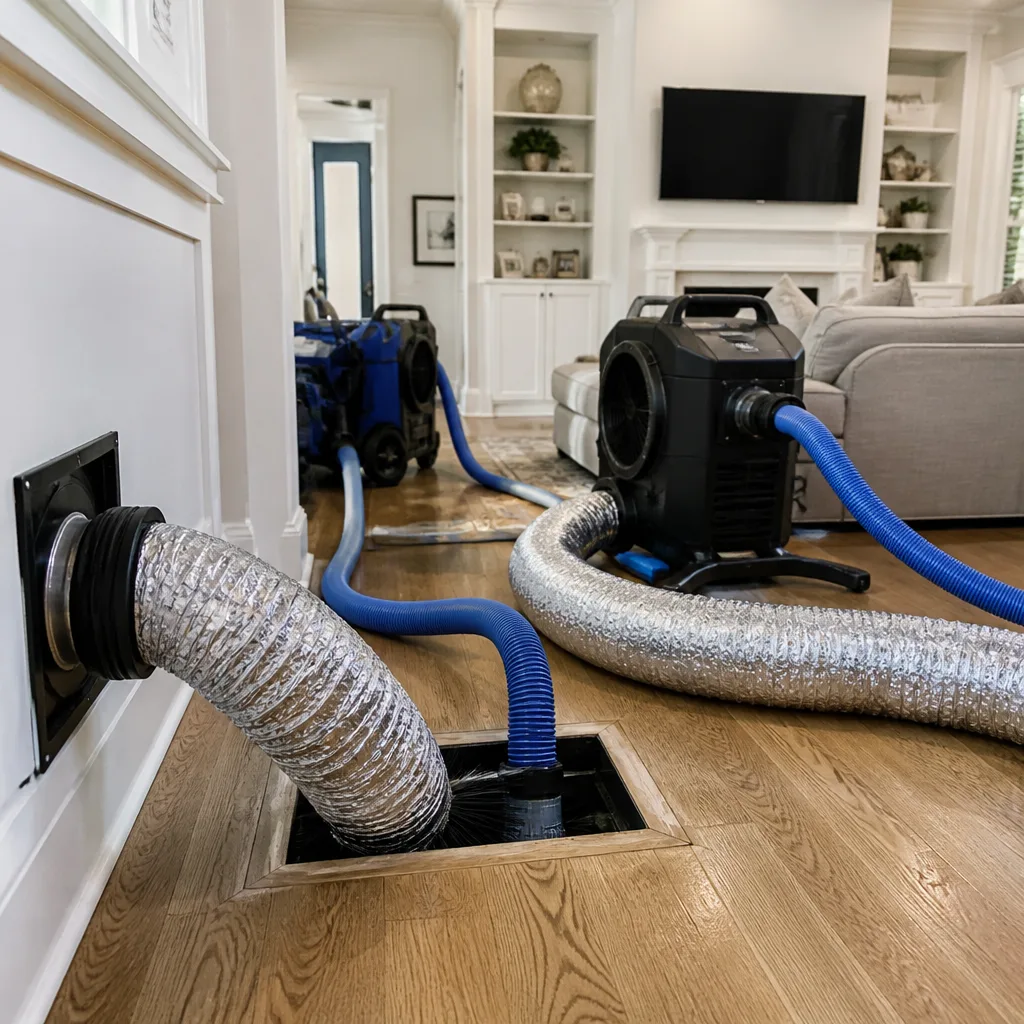 Whole-home duct cleaning
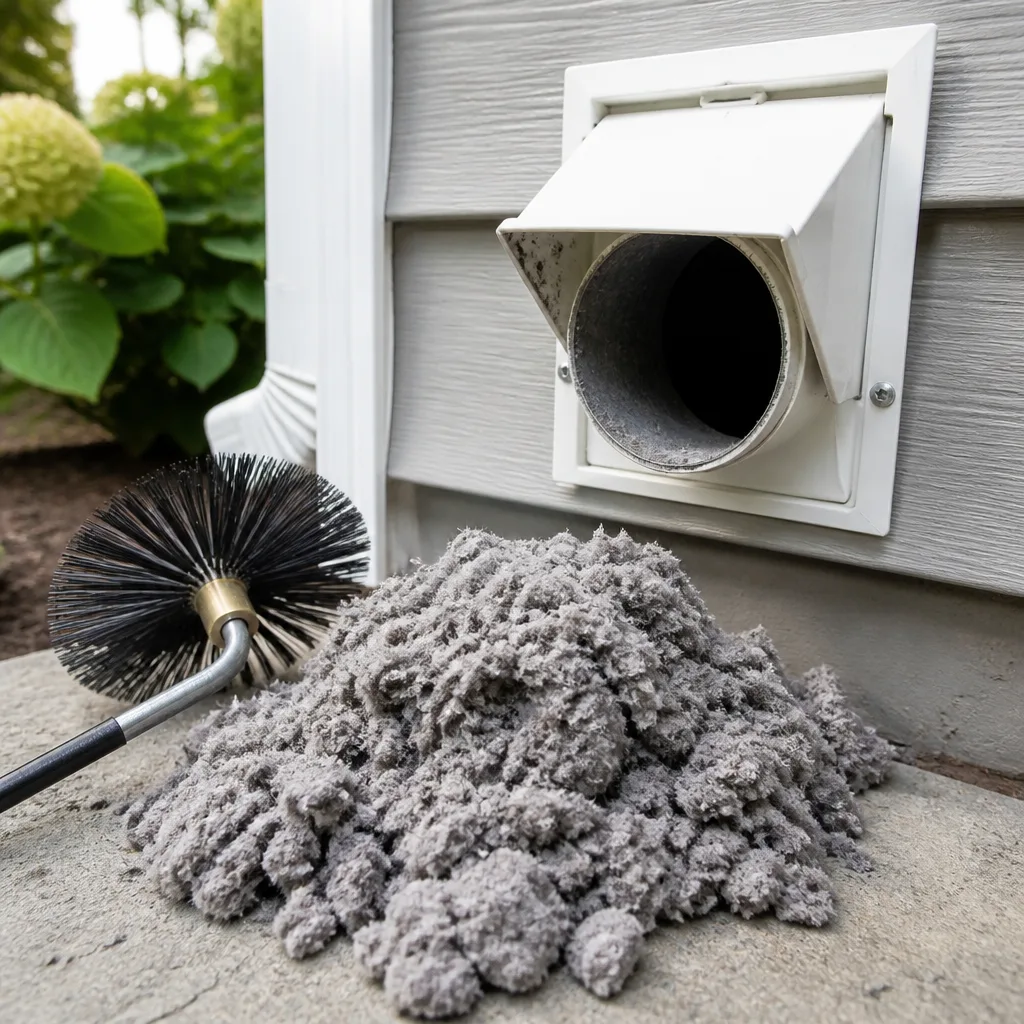 Dryer vent cleaning
 Camera inspection
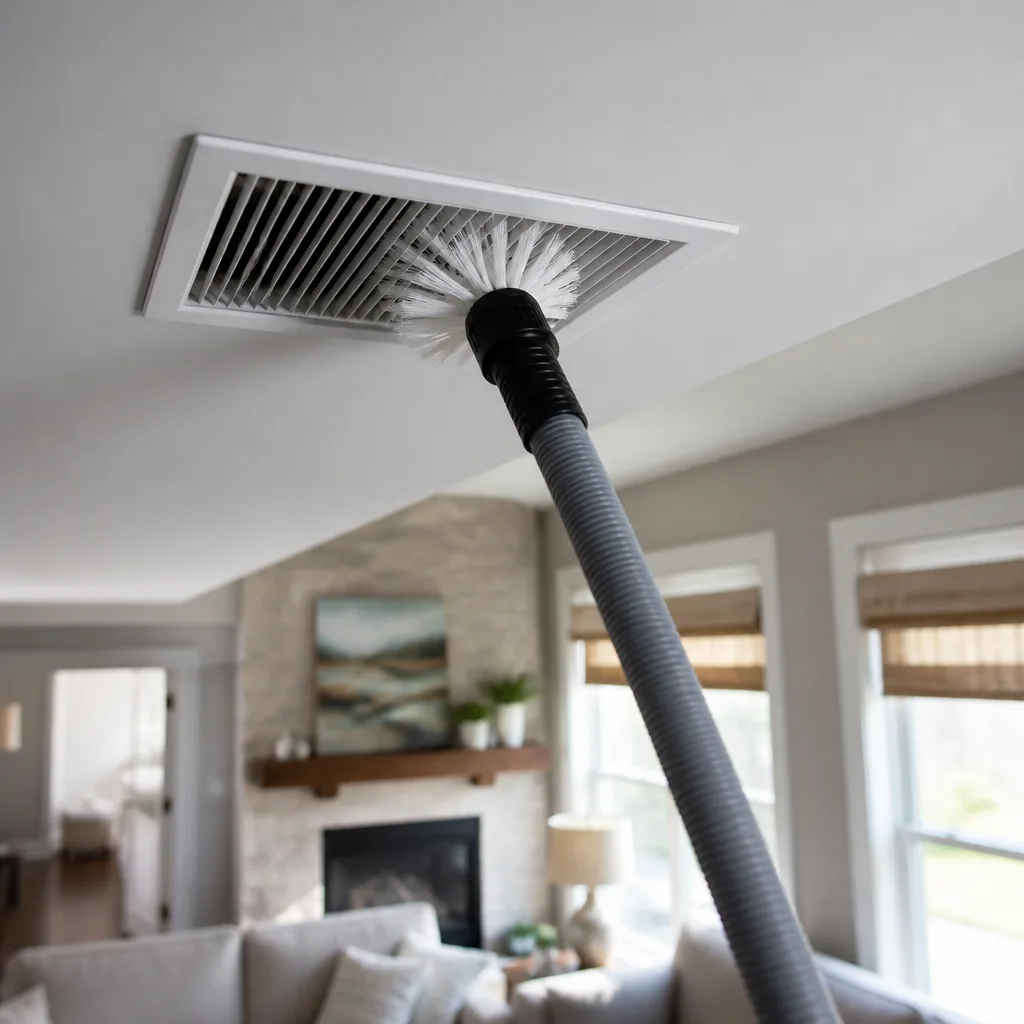 Sanitizing & deodorizing
Whole-system duct and dryer vent check with before-and-after photos - you see exactly what came out of your vents
That "$99 whole-house special" is a bait ad - the real number appears once they are in your hallway, or the "clean" is a shop-vac at the register. We photograph the inside of your ducts before and after instead.
Seasonal Air Duct Cleaning Care for West Jordan: Year-Round Homeowner’s Guide
Most homeowners treat duct cleaning as a once-a-decade chore, something to schedule when the dust on the blinds finally gets embarrassing. That fixed schedule misses what’s actually happening in your system. West Jordan sits in a valley that traps cold air inversions through the winter and throws heavy dust loads across the summer, which means your ducts never operate in neutral conditions. They accumulate differently in April than they do in December. This guide walks through what each season deposits in your ductwork, how peak HVAC load changes what your system is doing, and how to shift filter changes and professional cleaning to match the actual calendar instead of a generic “every six months” rule. What you breathe matters, and the timing of the work matters too.
Quick Answer
The best time for a seasonal duct cleaning in West Jordan is late spring, after cottonwood and juniper pollen season ends, paired with a second look before inversion season begins in November. Filter changes should follow the seasons rather than a fixed monthly schedule: shorter intervals in spring pollen season and during winter inversions, longer intervals in mild fall weeks. Dryer vent clearing belongs in fall, before winter, because lint buildup is a fire issue rather than a comfort one.
Styles & brands we work with
- Whole-home duct cleaning
- Dryer vent cleaning
- Camera inspection
- Sanitizing & deodorizing
Table of Contents
- Why Seasonal Timing Matters in West Jordan
- Winter: What Salt Lake Valley Inversions Do to Your Ducts
- Spring: Pollen Season and the Best Window for a Cleaning
- Summer: Peak HVAC Load and What It Does to Your System
- Fall: Dryer Vent Clearing Before Winter
- Adjusting Filter Replacement by Season
- A Year-Round Maintenance Calendar for West Jordan Homes
- Common Mistakes to Avoid
- When to Call a Professional
- Frequently Asked Questions
Why Seasonal Timing Matters in West Jordan
Your duct system is not sealed off from the outdoor air. It draws from a return air path that runs through your home, and every time the air handler kicks on, whatever is airborne in the house moves toward the filter and through the ductwork. Whatever is airborne outside eventually gets inside, because doors open, windows open, and the house itself breathes. In a valley like the one West Jordan occupies, that outside air changes character dramatically across four seasons, and your duct system responds to each one differently.
Consider what a duct system actually does across a year here. In spring, the return air ducts are pulling in fine pollen from cottonwood and juniper, which settles onto the duct walls and mixes with household dust. In summer, the system runs for long stretches of the day, and the dust that settled during the slower spring weeks gets picked back up and pushed through the house. In winter, inversions trap particulates in the valley, and a sealed-up house recirculates whatever made it inside. Each season is a different problem.
That’s the counterintuitive part of duct maintenance. A cleaning in July doesn’t address what winter will deposit, and a cleaning in January doesn’t clear out the pollen load that accumulated the previous spring. The work should match the season, not the calendar’s round numbers.
We work on West Jordan homes year-round, and the pattern shows up consistently. Homes we clean in May are often noticeably loaded on the return side. Homes we look at in November tend to have a different profile: more fine particulate, more of it packed against the duct walls. Both are worth addressing, but for different reasons.
Winter: What Salt Lake Valley Inversions Do to Your Ducts
Inversion events from November through February trap cold, dense air near the valley floor, and the particulate that would normally disperse upward instead settles over the city. For a West Jordan home, that means outdoor particulate concentrations climb, and some of it finds its way indoors every time a door opens or the house draws in make-up air. Once inside, it enters the return air path and begins accumulating on duct walls.
The furnace is also running more intensely through these months. That’s a longer runtime per day, which multiplies the number of passes any given particle makes through the filter. A filter that’s already loaded from the fall doesn’t capture the finer winter particulate as well, so more of it reaches the ducts.
Here’s what to do before and after inversion season:
- Before inversions (late October): Swap to a fresh filter, seal obvious return-air gaps around registers, and have the dryer vent cleared. (More on that below.)
- During inversion season (November to February): Change filters on a shorter cycle than normal. Watch for musty or dusty odors near supply registers, which suggest the system is recirculating built-up debris.
- After inversions (March): Look at your return registers. If you see visible dust streaks around the grilles or dust falling from them when the system kicks on, that’s a signal to schedule a professional cleaning rather than wait for spring.
One thing that matters during the winter months: don’t run the system with a filter that’s been in for months. A loaded filter bypasses air around its edges, and that air carries particulate into the ducts and the blower. It’s also harder on the blower motor. In our experience, the homes we see with the dirtiest duct interiors are the ones where filters were left in for an extended stretch through the winter.
When we clean during or just after inversion season, we use a Rotobrush brush system to agitate debris off duct walls, then Nikro HEPA extraction to pull it out under negative pressure. That combination matters more in winter because the fine particulate is harder to lift than the larger dust you’d find in summer.
Spring: Pollen Season and the Best Window for a Cleaning
Spring is when cottonwood and juniper release pollen across the Salt Lake Valley, and both are significant contributors to what ends up in your return air ducts. Cottonwood in particular produces a fine, cottony fluff that drifts on the wind and settles into any opening it can find. Juniper pollen is finer still and can travel on air currents through window screens and door gaps. Once these particles enter your return air path, they can cling to duct interior surfaces and, over weeks, mix with household dust into a light coating.
This is why late spring, after the pollen season has mostly subsided, is the best window for a professional duct cleaning in West Jordan. Cleaning mid-pollen season wastes half the effort because your ducts will load up again in the following weeks. Cleaning in late May or June, after the cottonwood has finished, lets you start the summer HVAC season with clean ducts and a fresh filter.
Some signs spring has overloaded your system:
- Allergy symptoms that persist indoors even with windows closed
- A visible haze or dust film on furniture within a day or two of dusting
- Dust streaks near return registers
- Musty or grassy odors coming from supply vents when the system starts
- Increased dust on ceiling fan blades and light fixtures
During the pollen weeks themselves, there are a few things you can do without a full cleaning. Keep windows closed on high-pollen days, change the filter once mid-season rather than waiting for the standard interval, and check the return register closest to your bedroom or main living area for buildup. That one register often tells you the most about what’s happening inside the system.
If you’re not sure whether spring warrants a full cleaning or just a filter change, call us for a free estimate. We’ll look at the return side and tell you honestly what we see. For a broader look at how a professional cleaning works, see our air duct cleaning page.
Summer: Peak HVAC Load and What It Does to Your System
Summer in West Jordan is hot and dry, and the air conditioner runs hard for long stretches. On the hottest weeks, a home’s system may run 10 or more hours a day. That sustained runtime does two things to your ductwork: it increases internal pressure and it multiplies the number of passes any airborne particle makes through the system.
Increased pressure matters because it stresses duct joints. If your ductwork has a compromised joint or a loose collar, the higher static pressure of summer will find it. That’s why some homeowners notice a whistling sound at a register or a sudden drop in airflow to one room in summer but not in winter. That’s often a sign the system has developed a leak that wasn’t obvious in lower-load conditions.
When we inspect a West Jordan home in summer, we’re looking for:
- Uneven cooling – one or two rooms that stay noticeably warmer than the rest
- Whistling or hissing at a register – a sign of a duct joint that’s opened up under higher pressure
- Dust puffing from supply vents when the system cycles on – the deposited dust from spring is getting dislodged
- Short cycling – the system turning on and off faster than it should, often pointing to restricted airflow
Summer is also a good time to think about duct repair rather than just cleaning. If we find a section of duct that’s separated, crushed, or poorly joined, we fix what we find. Cleaning the duct on either side of a broken joint without repairing the joint just means the same dust problem recurs in a matter of weeks. Repairing the duct, then cleaning it, addresses the source.
What you can do on your own in summer: check that return-register grilles aren’t blocked by furniture or rugs, examine the filter monthly during heavy AC weeks and change it as needed, and listen for new sounds at any register. If you hear something new, that’s a cue to call rather than wait.
Fall: Dryer Vent Clearing Before Winter
This is the season shift most homeowners miss entirely. Fall is when the dryer vent needs to be cleared, and the reason isn’t comfort. It’s fire safety.
Years of lint accumulation in a dryer vent line can restrict airflow. Restricted airflow makes the dryer run longer and hotter, and the accumulated lint in the vent line is combustible. The risk climbs through winter, when dryers run more often because of heavier laundry loads and are used on days when the vent termination may be partially blocked by accumulated debris or snow at the exterior wall.
dryer vent cleaning in fall is a genuine prevention measure. Lint doesn’t disappear over months; it packs in. And once it does, the dryer has to work harder to move air through the restricted line, which is inefficient at best and a hazard at worst.
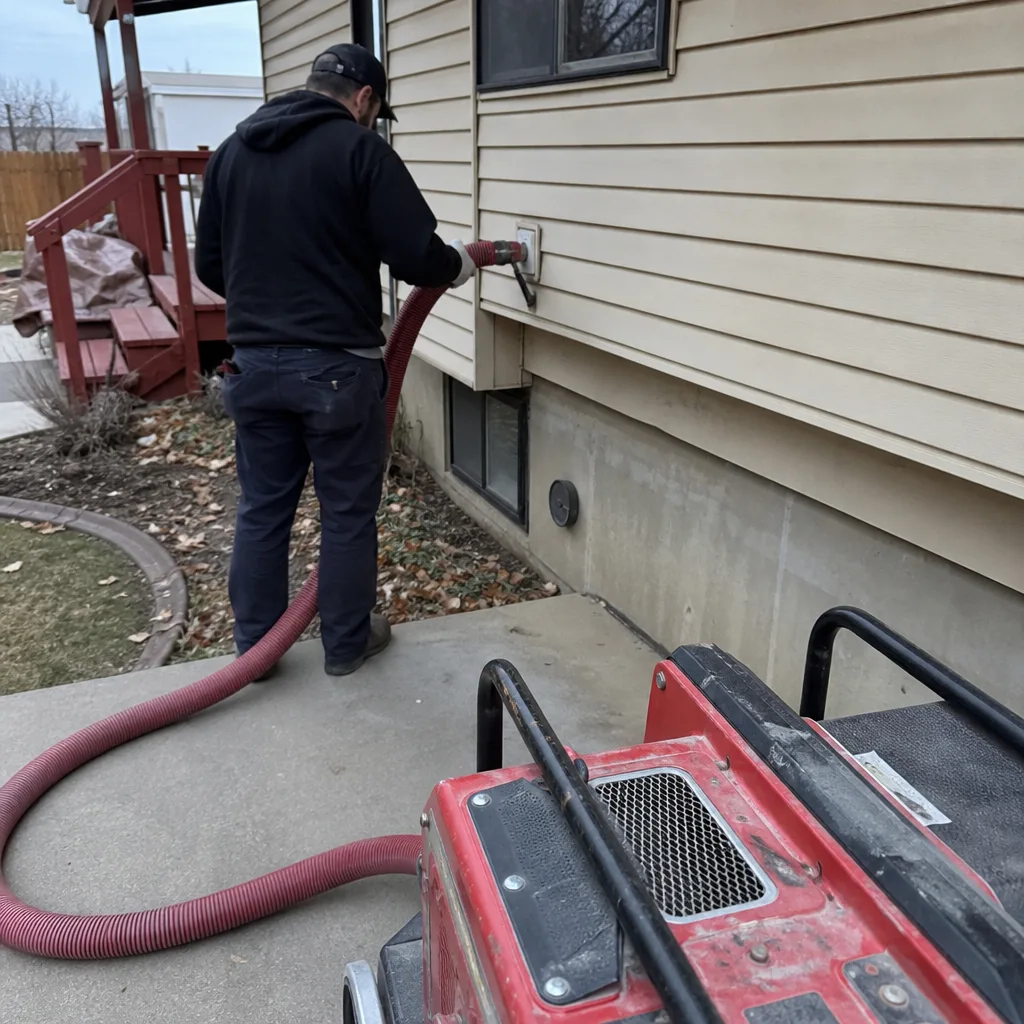
What a thorough dryer vent cleaning involves:
- Disconnecting the dryer’s exhaust line at the appliance
- Using a rotary brush attachment to agitate and loosen lint from the vent wall along its full length
- Running a HEPA-rated extraction to pull the loosened lint out (not just blowing it further down the line)
- Reconnecting and testing airflow at the exterior termination
The task is often completed within a typical service visit, and it’s worth doing separately from a duct cleaning if the timing lines up differently. We treat dryer vent work as its own safety-focused service, not as a line item tacked onto a duct cleaning. For a West Jordan home, scheduling the vent clearing in October means you go into winter with full airflow and no accumulated lint load in the line.
How do you know if your dryer vent needs attention? Long dry times, a dryer that’s hot to the touch, or a lint trap that fills faster than it used to. Those are real signals, and they warrant a look.
Adjusting Filter Replacement by Season
The standard advice is to change your filter every three months. That’s a rough average, and it’s not a great one for a West Jordan home that lives through inversions, pollen season, and heavy summer HVAC runtime. The filter’s job is to catch particulate before it reaches the duct system, so the filter schedule should track with particulate load, not the calendar.
A seasonal filter approach looks like this:
- Spring (March through May): Shorter intervals during active pollen weeks – check monthly and change when the filter shows visible loading, especially during cottonwood and juniper season.
- Summer (June through August): Standard to slightly shorter intervals. Heavy AC runtime means more air volume passing through the filter, which loads it faster.
- Fall (September through October): Often the longest filter life of the year. Outdoor particulate is generally lower, the system is running less, and you can go longer before a change.
- Winter (November through February): Back to shorter intervals. Inversion-season particulate and increased furnace runtime load the filter quickly.
The practical way to run this: check the filter visually every four to six weeks. If you hold it up and can’t see light through it, change it. If you can, wait a few more weeks. The seasonal shift is about how often you check, not a rigid rule.
Filter quality matters too. We work with Honeywell, Aprilaire, and Guardsman filtration products, and the difference between a basic panel filter and a properly sized higher-MERV media filter is real. Higher-MERV filters catch finer particles, which matters more during spring pollen and winter inversions. They also need to be changed more often because they load faster when they’re doing more work. Match the filter spec to what the system is designed for; a filter that’s too restrictive for the blower will cause its own problems.
Beyond filters, we also work with Abatement Technologies containment and filtration systems, which are relevant when a cleaning job involves more debris load than a standard job. The point of naming the equipment is this: what you choose to filter your air with should be matched to what your system actually runs, not to what the shelf at the hardware store happens to stock.
A Year-Round Maintenance Calendar for West Jordan Homes
Here’s what a seasonal approach looks like laid out across the year. This is a framework for a typical West Jordan home; your own schedule may shift based on how much your system runs and your own indoor air quality concerns.
- March (late winter): Swap to a fresh filter at the end of inversion season. Look at return registers for visible buildup.
- April through May (spring): Check filters monthly during pollen season. Keep windows closed on high-pollen days. Schedule a professional duct cleaning for late May or June, after cottonwood finishes.
- June through August (summer): Check filters monthly. Watch for uneven cooling or new sounds at registers. If registers show visible dust streaks, this is a good window for a cleaning or repair.
- September through October (fall): Schedule a Duct Cleaning West Jordan assessment if you haven’t had one in a while, and clear the dryer vent before winter. Confirm exterior dryer vent termination is unobstructed.
- November through February (winter): Shorter filter intervals. Watch for musty or dusty odors near supply vents. Keep return registers clear of furniture. If you notice symptoms that could be tied to duct condition, schedule an inspection.
If you want the short version: clean the ducts after pollen season, clear the dryer vent before winter, and let your filter changes follow the seasons rather than the calendar.
One more West Jordan-specific note on the calendar. Snow accumulation against exterior walls can block the dryer vent termination in some home configurations. After a snow event, check the exterior termination if it’s accessible safely from ground level. If it isn’t, that’s a job for a professional rather than a ladder in the snow.
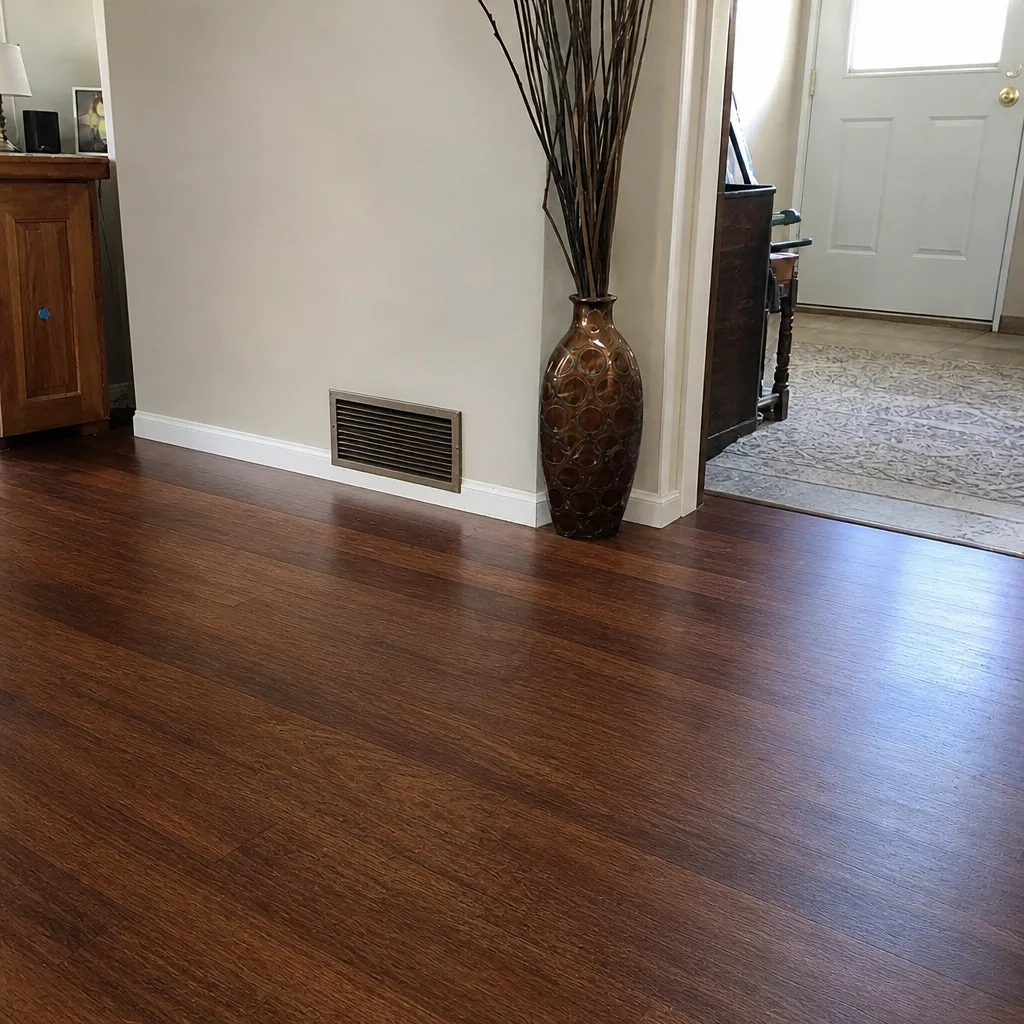
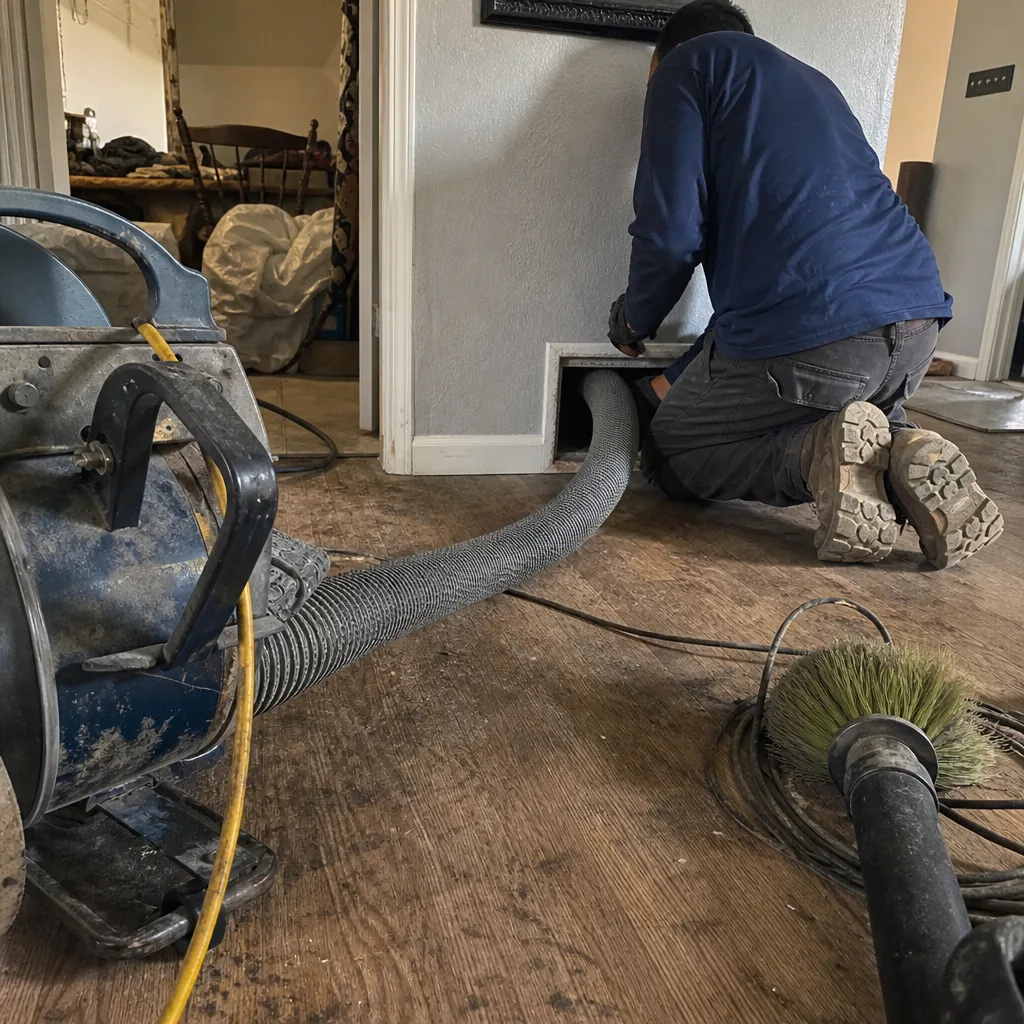
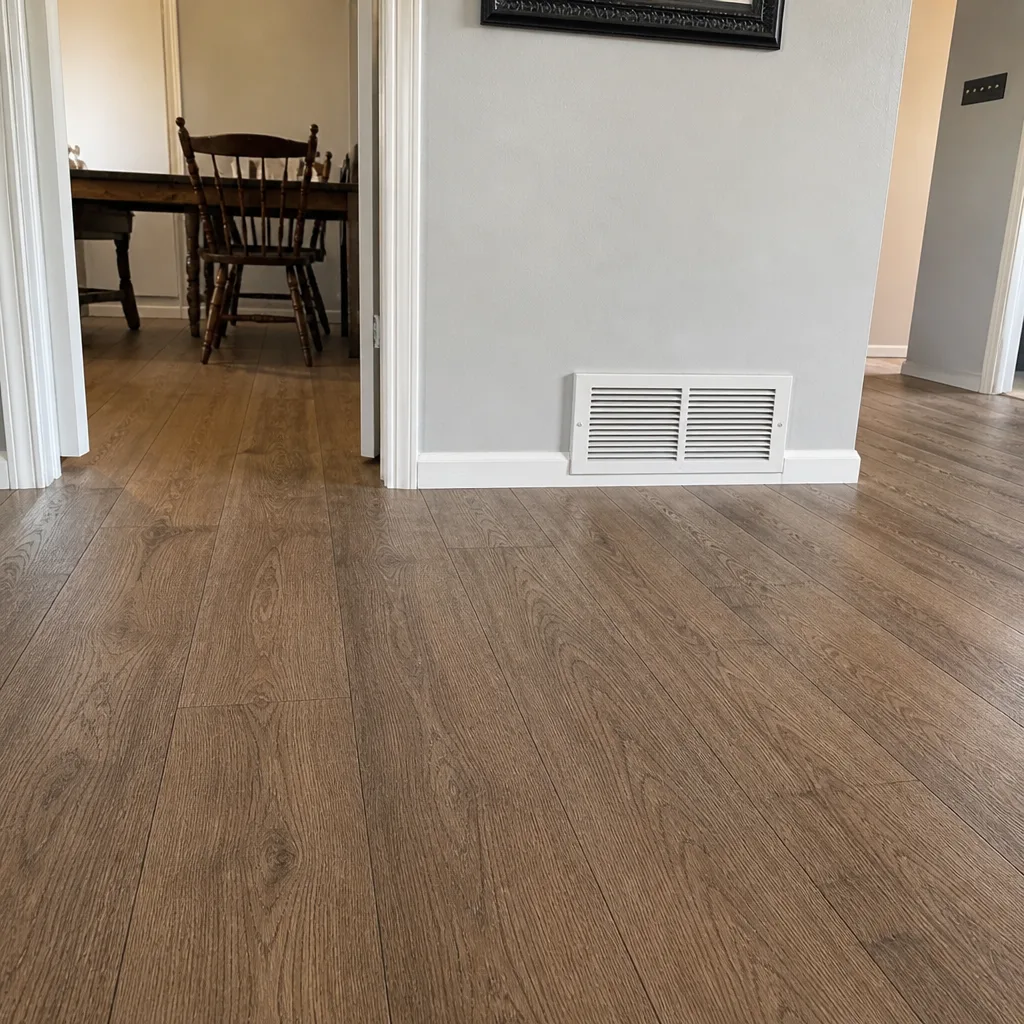
See the difference
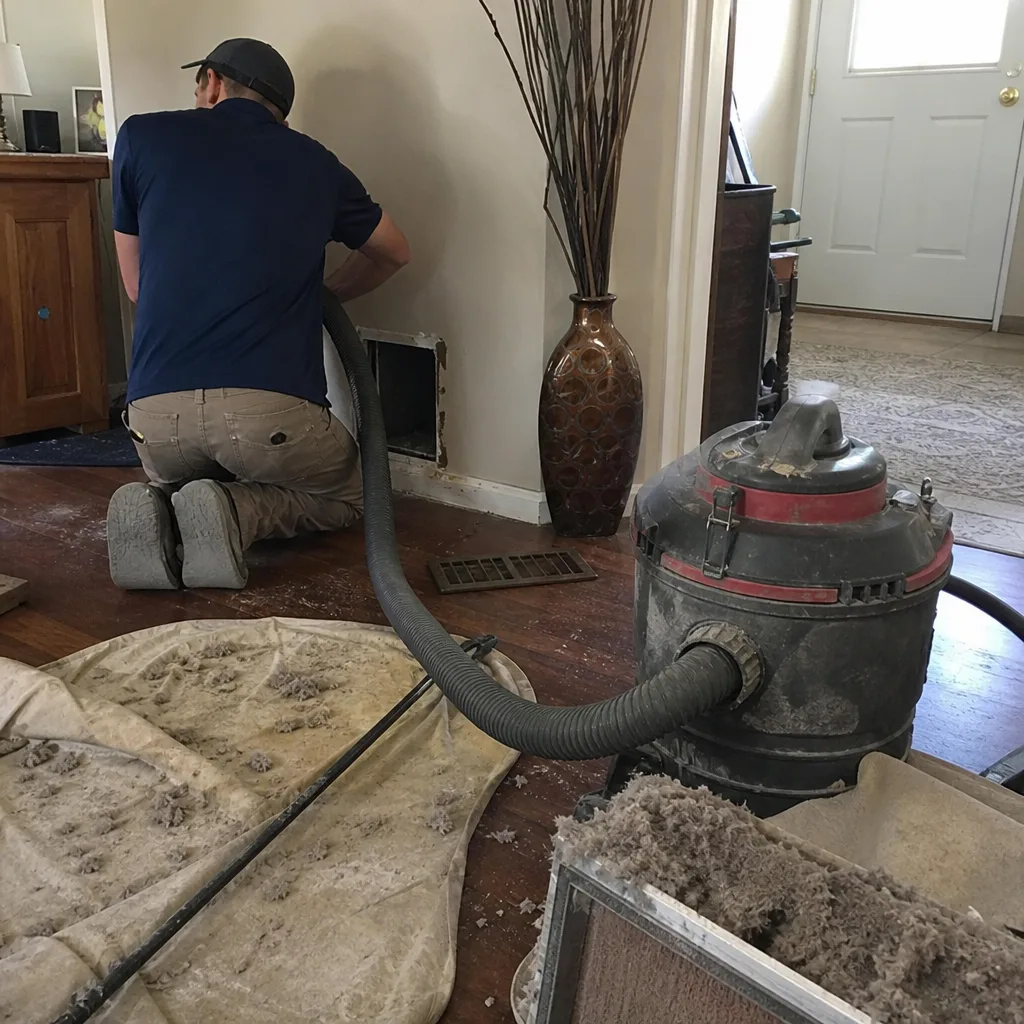 Before
 After
 Before
 After
 Before
 After
Common Mistakes to Avoid
- Following a fixed monthly filter schedule year-round. Following the same interval in April that you use in October overshoots in some months and undershoots in others. Spring and winter need shorter intervals; fall often allows longer.
- Scheduling a cleaning in mid-pollen season. Cottonwood season in West Jordan runs weeks, and cleaning while pollen is still being deposited wastes the cleaning. Wait until late May or June.
- Treating the dryer vent as a duct cleaning add-on. It’s a separate safety task with its own timing (fall, before winter). Don’t let duct cleaning scheduling dictate when the vent gets cleared.
- Cleaning around a broken duct and calling it done. A joint that’s separated, crushed, or improperly joined will keep depositing dust into the system after the cleaning. Repair has to happen at the source, not just at the surface.
- Assuming summer dust is new dust. Dust that puffs from registers in July is often the spring load that’s been sitting on duct walls and is now getting dislodged by higher summer airflow. The fix is a cleaning, not repeated filter changes.
- Overlooking the exterior dryer vent termination. Lint can pack in at the termination, especially after winter weather. It’s an easy inspection in fall and a common blind spot.
- Using a consumer-grade shop vacuum on ducts. A standard shop vac doesn’t have the airflow volume or the containment to pull debris out of a full duct system effectively, and it can spread fine particulate into the home if it doesn’t have a HEPA-rated containment. Professional equipment exists for this for a reason.
When to Call a Professional
There are specific scenarios where a professional cleaning is clearly warranted rather than waiting for the seasonal window. If you’ve recently completed a remodeling project, ducts often collect construction dust and debris. If you see visible dust streaks around registers or dust puffing from supply vents when the system cycles, that’s a strong signal. If someone in the home has persistent allergy symptoms that seem tied to indoor air, an inspection is a reasonable step. If you notice a musty or unpleasant odor from the vents, the source may be accumulated debris or a moisture issue in the ductwork.
Duct Cleaning West Jordan offers free estimates in West Jordan – call (888) 351-4348. We answer 24/7. Fast dispatch from 7am to 7pm, Sunday through Friday. Our technicians have up to 11 years of experience, and we work with West Jordan homeowners directly on the seasonal timing that fits their home. If you’re not sure which season’s concerns apply to your system, call and describe what you’re noticing; we’ll tell you what we’d look for.
Frequently Asked Questions
Most West Jordan homes benefit from a professional cleaning every one to three years, but the timing matters as much as the interval. Late spring, after cottonwood and juniper pollen have finished, is the best single window because it lets you start summer with clean ducts. If you’re in a home near a busy road, an older home, or a home with pets, the shorter end of that range is more realistic. Call (888) 351-4348 for an estimate specific to your home.
A Salt Lake Valley inversion traps cold air near the valley floor, so particulate that would normally disperse instead settles, and some of it reaches indoor air through normal opening and closing. In the ducts, that fine particulate accumulates on duct walls over November through February and creates a light but significant coating. The best response is a shorter filter interval during inversion season and a professional look at the ducts in late winter or early spring.
Yes. Fall is the right time because the dryer runs more through winter, and any lint buildup in the vent line becomes more consequential as use increases. Clearing the line in October means you go into the colder months with full airflow and no accumulated combustible material in the vent. Call (888) 351-4348 to schedule dryer vent cleaning before the winter season.
Uneven airflow to specific rooms, whistling or hissing sounds at registers, higher-than-expected energy bills for the comfort you’re getting, and visible dust accumulation around the same register every time are all signs a duct issue may exist. A cleaning removes accumulation; a repair addresses the joint, crush, or separation that’s causing new dust to enter. When we inspect, we check for both. Call for a free estimate and we’ll tell you honestly what we find.
Rotobrush is a purpose-built duct cleaning system that uses rotary brushes to agitate debris off duct walls, working in combination with a HEPA-rated extraction system. A shop vac is a general-purpose vacuum with much lower airflow volume and typically no containment rated for fine duct particulate. The two tools are not comparable for the job of cleaning a full residential duct system. We use Rotobrush and Nikro equipment specifically because the work requires it.
That runtime is normal for a West Jordan summer, and it means the filter loads faster and any deposited dust gets picked up and recirculated sooner. Check the filter monthly during heavy run weeks, and if you see dust puffing from supply registers when the AC starts, that’s a signal the ducts have accumulated material. That’s a good argument for a late-spring cleaning before summer load begins. Call (888) 351-4348 for an estimate.
For some homeowners, yes. If the symptoms cluster when the HVAC system is running, if they’re worse in certain rooms, or if they persist indoors even with windows closed, duct condition is worth exploring. Dust, pollen, and fine particulate accumulating in the system do get recirculated. We won’t promise an outcome, but we can inspect the system and tell you what we see. Call (888) 351-4348 for a free estimate.
The Bottom Line
Your West Jordan duct system is subject to four distinct seasonal pressures that pull differently on its condition. Late spring is the right time for a professional cleaning because it lands after pollen and before summer load. Winter inversion season is a good reason to shorten the filter interval and check the return registers. Summer heavy runtime is when accumulated debris puffs back into the house and when duct joints get stressed. Fall is when the dryer vent needs clearing because it’s a fire safety matter rather than a comfort one. Shift the schedule to the seasons and the work does more. Call (888) 351-4348 for a free estimate. We answer 24/7, with fast dispatch from 7am to 7pm, Sunday through Friday. You can also explore the broader Duct Cleaning West Jordan home page if you’re still mapping out your first service.
Written by the team at Duct Cleaning West Jordan.