
Last updated November 15, 2026
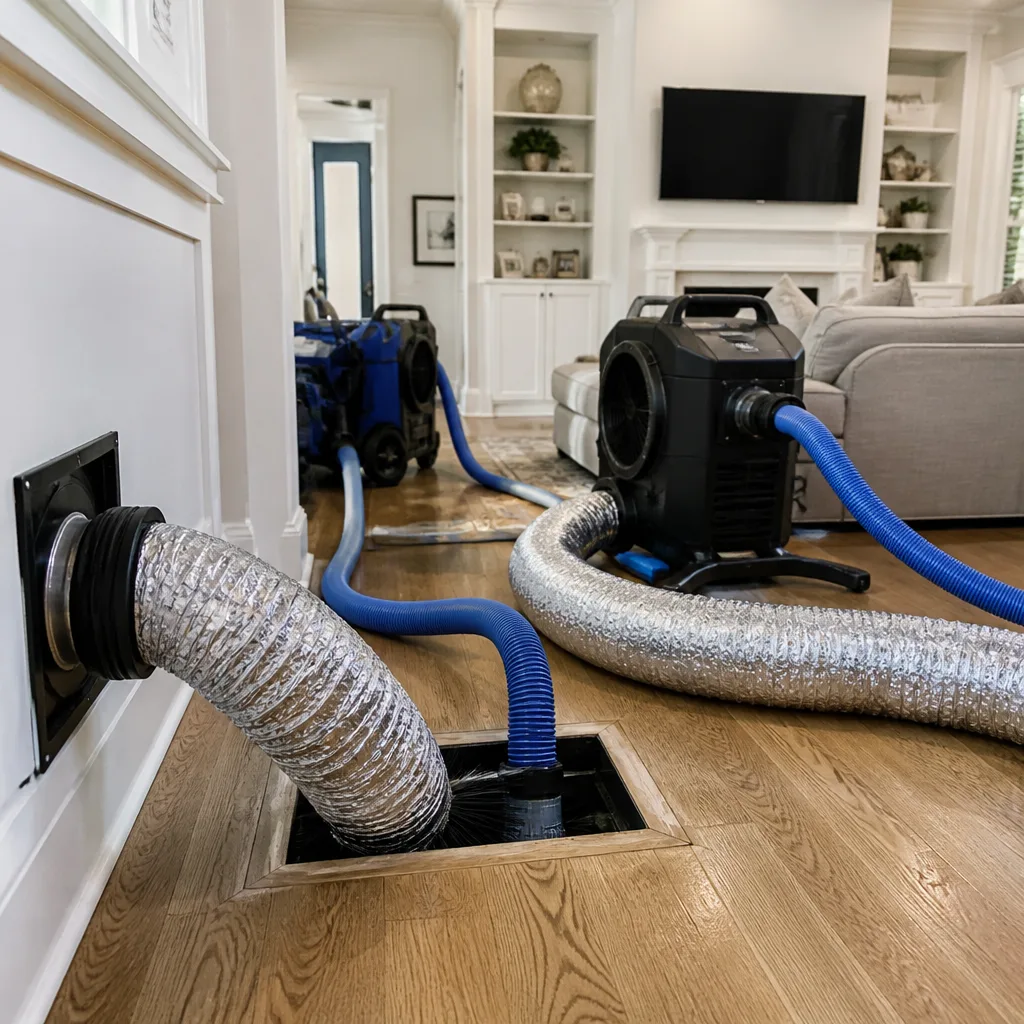 Whole-home duct cleaning
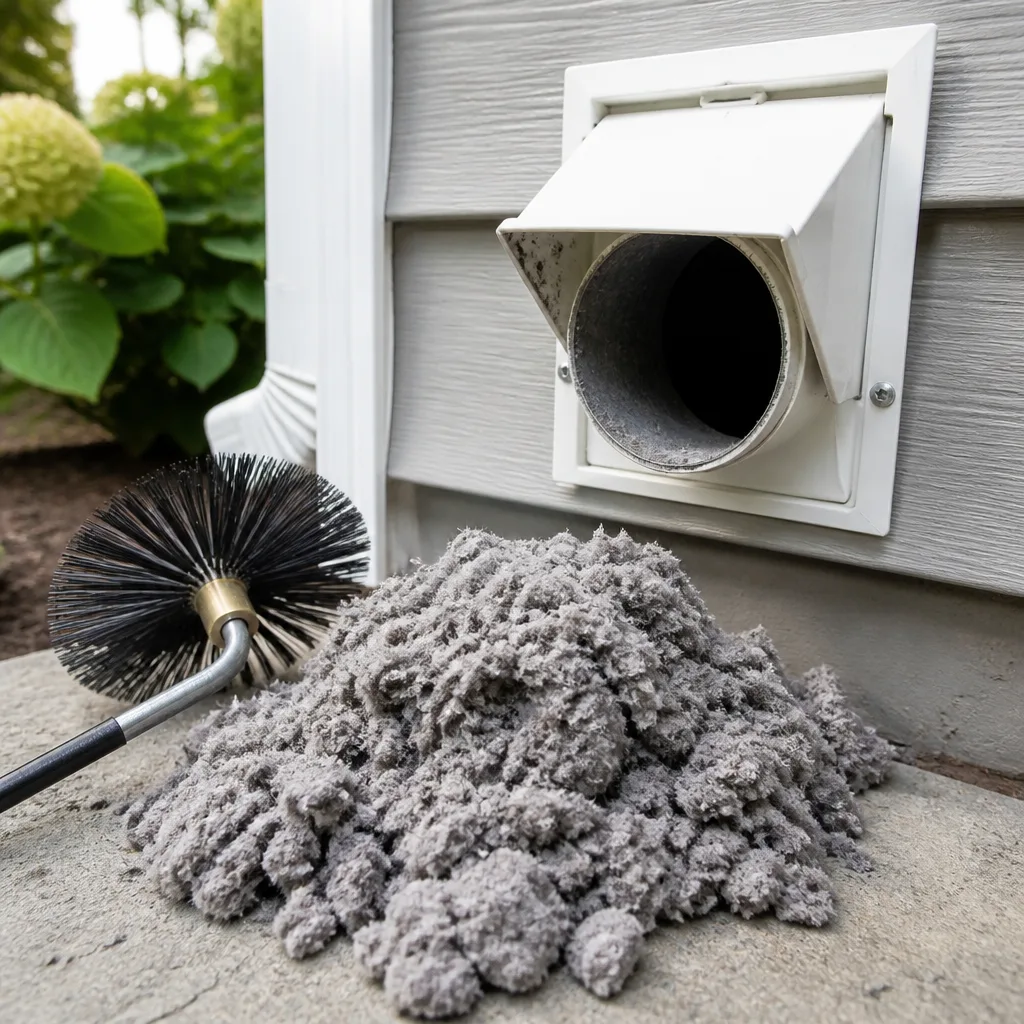 Dryer vent cleaning
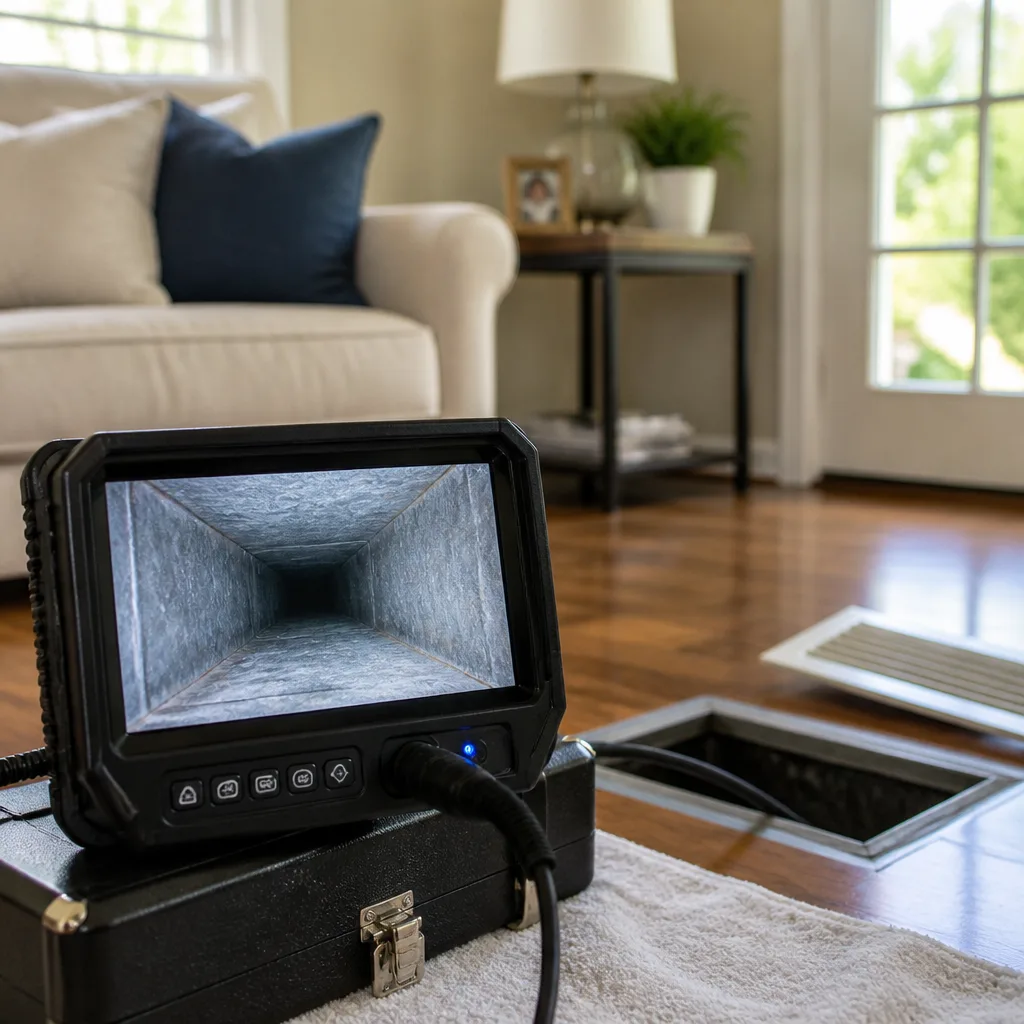 Camera inspection
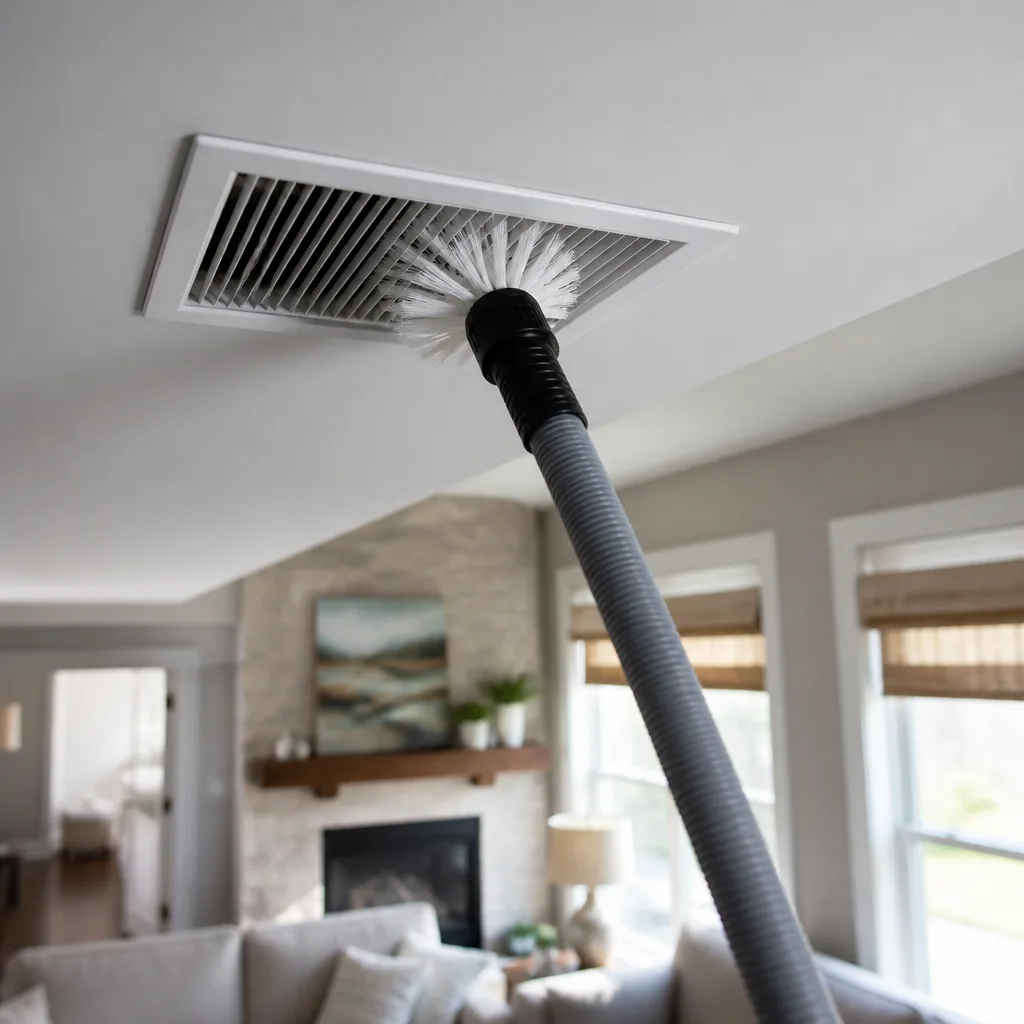 Sanitizing & deodorizing
Whole-system duct and dryer vent check with before-and-after photos - you see exactly what came out of your vents
That "$99 whole-house special" is a bait ad - the real number appears once they are in your hallway, or the "clean" is a shop-vac at the register. We photograph the inside of your ducts before and after instead.
How to Hire an Air Duct Cleaning Contractor in West Jordan: A Step-by-Step Guide
Any company can buy a logo, a van wrap, and a $300 portable vacuum and call itself a duct cleaning specialist. The barrier to entry in this trade is close to zero, which is exactly why hiring decisions here go wrong so often. Equipment gets described in vague terms (“professional-grade,” “powerful,” “industrial”), and by the time you realize the truck carried a shop vac and a hose, you’re already writing the check. This guide gives you a technical vetting process for West Jordan homeowners – three equipment questions to ask before booking, a realistic picture of what professional work involves, and the licensing and insurance checks that matter. You’ll learn how to tell a real operator from a low-bid crew before they ever step through your door.
Quick Answer
To hire an air duct cleaning contractor in West Jordan, ask three equipment questions before booking: what is the vacuum’s CFM rating, is it negative-air HEPA equipment, and what agitation method is used on duct walls. Then confirm Utah licensing, ask for proof of liability insurance, and require a written scope of work that lists access points, vent count, and whether the dryer vent is included. A legitimate quote reflects the actual scope of your system – a flat whole-house number pulled from a coupon is a bait-and-switch setup. Professional-grade equipment and a written scope are the two things a low-bid operator cannot fake.
Styles & brands we work with
- Whole-home duct cleaning
- Dryer vent cleaning
- Camera inspection
- Sanitizing & deodorizing
Table of Contents
- The Three Equipment Questions to Ask Before You Book
- What NADCA Membership and ACR Standards Actually Require
- Red Flags in Pricing: Why a $99 Quote Should Worry You
- How to Verify a Contractor Is Licensed and Insured in Utah
- What a Written Scope of Work Should Include
- Why West Jordan’s Climate and Housing Make Duct Condition Matter
- The Dryer Vent Is a Separate Job – Make Sure It’s on the Table
- Duct Repair: Where Cleaning Ends and Fixing Begins
The Three Equipment Questions to Ask Before You Book
The fastest way to separate a real duct cleaning operation from a fly-by-night crew is to ask about the equipment in specifics. Not “what kind of equipment do you use” – the answer to that is always “professional.” Ask these three exact questions and listen for precise answers. An operator who does this work daily will answer without hesitation. An operator who repurposed a general-purpose vacuum will go vague.
- What is the CFM rating of your vacuum system? CFM means cubic feet per minute – the air volume the extraction system moves. A truck-mounted or high-capacity negative-air machine moves substantially more air than a portable wet/dry unit. If the answer is “I’d have to check” or a vague “it’s plenty powerful,” that’s your answer.
- Is it a negative-air or HEPA-filtration system? Professional negative-air setups pull air and particulate out of the home while keeping the work area under containment. HEPA-rated filtration captures the fine debris that a standard shop vac filter pushes back into the room. A system that just vacuums debris into a bag is a different category of tool.
- What agitation method do you use on the duct walls? Vacuuming alone lifts loose dust but leaves the adhered film on duct surfaces. Rotary brush agitation physically scours the duct walls before extraction. We operate Rotobrush systems for this reason – the rotary brush does the agitation the vacuum can’t, and the extraction follows. An operator who mentions only “blowing out the ducts” is describing a different, less thorough method.
We run Nikro equipment for HEPA-rated negative-air extraction, and the combination of rotary brush agitation plus genuine negative-air containment is what makes a real cleaning possible. If you’re comparing quotes from several contractors in West Jordan, ask these three questions of each one in the same way and compare the specificity of the answers side by side. You’ll usually find that one operator answers all three cleanly and the others don’t.
What NADCA Membership and ACR Standards Actually Require
NADCA is the National Air Duct Cleaners Association. It publishes the ACR standard – Assessment, Cleaning, and Restoration of HVAC systems – which sets out what a professional duct cleaning should actually involve: a proper assessment first, cleaning methods that address the full system rather than just the visible grilles, and restoration steps like repairs when they’re needed. Membership and certification signal that a contractor operates within that standard. They don’t replace your own vetting.
Here’s the honest framing: NADCA membership is a useful floor, not a ceiling. A company can hold a certification, pay dues, and still cut corners on the job if ownership isn’t committed to doing the work. Certification also doesn’t guarantee that the specific technician at your door is experienced with your system type, and it doesn’t tell you anything about the equipment actually on the truck. It’s the certificate on the wall, not a guarantee of the work.
Use it as one filter among several. Ask a NADCA member how they apply the ACR standard to a home with multiple HVAC zones, or how they handle a system where the return plenum is undersized. An operator who actually works to the standard will answer in technical detail. An operator who treats certification as a logo for the website will give you a brochure answer. In our experience the deepest technical conversations come from contractors who work Abatement Technologies containment and filtration equipment on a routine basis, because that equipment forces you to think through system-level air quality rather than duct-only cleaning. We incorporate Abatement Technologies filtration into our indoor air quality work for the same reason: you can’t do the containment piece properly without understanding the whole system.
Red Flags in Pricing: Why a $99 Quote Should Worry You
A $99 whole-house quote is a bait-and-switch setup. The number is priced to win the call, not to do the work. Once the technician is in your home, the scope grows: you’re told the main trunk is heavily soiled, the return side needs extra work, the dryer vent is separate, the sanitizing step is mandatory, and the final invoice is four to six times the coupon. This is the industry’s single worst habit, and it’s why duct cleaning has the reputation it does.
How the price should actually work: you receive a written estimate based on the scope of your system, the estimate is agreed before work starts, and the final invoice matches it. A clean operator identifies the size and layout of your HVAC system, the number of supply and return vents, and whether the dryer vent is part of the job – then quotes on that basis. No surprises once the truck is in the driveway.
What drives a realistic quote up or down:
- System size and vent count. A single-zone home with ten supply vents is a different job than a two-zone home with twenty. Larger systems take more time and more equipment run.
- Access difficulty. Ductwork that runs through tight attic spaces, crawl areas, or behind finished basement ceilings takes longer to access properly. A quote that ignores access will be revised on the day.
- Whether the dryer vent is included. Dryer vent cleaning is a distinct service with its own safety purpose – it shouldn’t be quietly folded into a duct quote to make the number look lower, and it shouldn’t be a bolt-on afterthought either.
- Condition of the system. Heavy contamination, rodent activity, or separated duct joints affect the work. Look for an operator who inspects before quoting, not one who quotes over the phone.
- Whether repair is needed. Compromised ductwork – disconnected joints, crushed flex runs, torn lining – changes the job. We fix what we find, and that’s a scope question, not an upsell.
Any contractor in West Jordan who quotes a flat coupon number over the phone without knowing your system is quoting to the coupon, not to your home. For an honest, scope-based estimate for air duct cleaning, call us and we’ll walk through your system layout first.
How to Verify a Contractor Is Licensed and Insured in Utah
Before you give a contractor access to your HVAC system, confirm two things: they’re licensed for the work in Utah, and they carry liability insurance. Both are checkable, and neither should be a difficult request.
For licensing, ask the contractor for their license number and business name, then verify the license is active and in good standing with the state. Utah’s contractor licensing is administered through the Division of Professional Licensing, and any legitimate business will provide the number without friction. If a company asks you to “trust the reputation” instead of giving you a number, that’s a signal.
For insurance, ask for a certificate of insurance (COI) that names the business and shows both general liability and, where applicable, workers’ compensation coverage. General liability is what protects your home if something is damaged during the work. Workers’ comp protects you from liability if a worker is injured on your property. A contractor who can’t produce a current COI has no way to make you whole if something goes wrong.
Two more checks that are worth the five minutes:
- Ask whether the crew doing the work is directly employed or subcontracted. The company you hire should be the company doing the job.
- Ask for a written description of the work in advance (we cover what that should include in the next section). A contractor who can produce a scope document has a real process.
These checks are not adversarial. A professional operator will be glad you asked, because it means you’re less likely to spend the next two weeks comparing a bait-and-switch invoice to the coupon.
What a Written Scope of Work Should Include
A written scope of work is the document that makes the job enforceable. If the contractor’s version of “scope” is a verbal promise and a handwritten total, you have nothing. Before you sign anything, the written scope should specify the following:
- Access points. Which registers, returns, and plenum openings the crew will use to reach the ductwork. This matters most in homes where duct runs are hidden behind finished walls or inside tight attic framing.
- Number of supply and return vents. A count, in writing. This is the single line item that bait-and-switch operators inflate after the fact, so it should be fixed in the scope.
- Method and equipment. Rotary brush agitation plus HEPA-rated negative-air extraction, identified by name. Not “professional equipment.”
- Containment and filtration details. How the crew will keep dust out of your living space during the job.
- Dryer vent inclusion or exclusion. Whether the dryer vent is part of this job or being quoted separately. If it’s separate, get it in writing on its own line.
- Repair findings policy. What happens if the crew discovers disconnected or damaged ductwork during the cleaning. A real operator will tell you in advance that they’ll document and quote any repair before doing it.
- Before-and-after photo documentation. Ask in advance whether you’ll receive photos of your own ductwork before and after the cleaning. This is how you know the work was actually done, and it costs the contractor nothing to provide.
- Final price with an agreement that the price is the price. One flat price per system, agreed before work starts, matching the written estimate.
Read the scope line by line before you sign. If anything on this list is missing, ask for it to be added. The contractors who happily add it are the ones worth hiring.
Why West Jordan’s Climate and Housing Make Duct Condition Matter
West Jordan sits in the Salt Lake Valley, which means two things for your ductwork: long dry heating seasons and a valley floor that traps airborne particulate. Winter runs are cold and dry, so your furnace moves a lot of air through the system for months. That extended heating season is exactly when dust, pollen, and debris that have collected in the ductwork get distributed through your living space instead of sitting undisturbed in a return plenum. And because the valley traps particulate during inversion periods, whatever gets recirculated through your ducts tends to stay in the house.
The housing stock in West Jordan adds its own layer. Much of the city’s residential inventory includes homes built in the 1980s, 1990s, and 2000s, and the ductwork in many of those homes is now in its second or third decade of service. Flex duct lining degrades. Tape and mastic at joints fail. Connections at the plenum separate. That’s not a design flaw, it’s just the lifecycle of the system, and it means the visual inspection part of a professional cleaning matters more here than in a city full of brand-new homes.
You’ll see these conditions across the city’s neighborhoods – West Jordan and the surrounding residential areas, the newer builds toward the south and west, and the established subdivisions off major arterials throughout West Jordan. If your home is more than twenty years old and you’ve never had the ducts assessed, ask the contractor to inspect the duct joints, the plenum connections, and the flex runs before quoting. That inspection is how you find out whether you’re hiring a cleaning job or a cleaning-plus-repair job, and it’s what a professional should be offering to do anyway.
The Dryer Vent Is a Separate Job – Make Sure It’s on the Table
Dryer vent cleaning is a fire-safety service, not a duct-cleaning bonus. It should be treated as its own job with its own scope, and offered as a standalone service – not tucked into a duct cleaning quote as a checkbox, and not skipped because the crew is already there.
The reason is straightforward: the dryer vent is the one part of your home’s air system that carries heat and lint together, and lint accumulation in a restricted vent line is a documented fire hazard. A dryer vent that’s partially blocked also drives up drying times, which is the symptom most homeowners notice first. If the duct cleaning appointment comes and goes without the dryer vent line being addressed, the most safety-relevant part of the system went untouched.
Ask these questions before you book:
- Is dryer vent cleaning being quoted as its own line item, or is it woven into the duct price?
- Does the crew clean the full vent run from the dryer connection to the exterior termination, or just the portion they can reach easily?
- Will they check for crushed or detached vent line, and will they clear the exterior flap?
- Will you get before-and-after photos of the dryer vent line as well as the ducts?
If you’re in West Jordan and the listing for dryer vent cleaning sounds like a one-line addition to a duct quote, ask the contractor to quote it independently. A real operator will do that. For a dedicated dryer vent service in West Jordan, call us and we’ll quote it on its own scope.
Duct Repair: Where Cleaning Ends and Fixing Begins
A duct cleaning is not a duct repair, and confusing the two is how homeowners end up with a clean system that still leaks air into the attic. If the cleaning crew finds separated joints, torn flex duct lining, crushed return runs, or disconnected plenum connections, the right response is to document the issue and quote the repair – not to vacuum around the problem and leave you to discover it in the next utility bill.
Here’s the distinction that matters when you’re vetting a contractor: some cleaning operations only clean. If the ducts are compromised, they’ll clean past them, and you’ll never know. Others, like us, treat duct repair as a dedicated service because it’s where the real fix happens. When you ask a West Jordan contractor about their process, ask directly: what happens if you find damaged ductwork during the cleaning? A professional answer sounds like “we document it with photos, quote the repair separately, and you decide.” A less honest answer sounds like “we wouldn’t run into that” – which is not the same thing.
The practical consequences of skipped duct repair are real. Leaky joints pull attic air and insulation fibers into the system. Disconnected flex runs dump conditioned air into unconditioned space. Torn lining can catch dust and never let it go. Those conditions don’t improve with a cleaning. If anything, cleaning without repairing just leaves the source of the problem in place. We tell homeowners in West Jordan the same thing every time: the cleaning addresses what’s on the duct walls; the repair addresses the ductwork itself. Both matter, and an honest contractor will tell you which one your home actually needs.
Common Mistakes to Avoid
- Booking the lowest quote without asking about equipment. A low quote often comes from an operator who has a portable unit and a hose. Ask the three CFM/HEPA/agitation questions first, then compare price. A cheap job with the wrong equipment is money spent on a vacuuming, not a cleaning.
- Assuming a certification on the website means the job will be done properly. NADCA membership is a useful floor, not a guarantee. Ask about the specific technician’s experience and the equipment on the truck for your job.
- Accepting a phone quote without an inspection. In West Jordan’s older housing stock, duct condition varies widely from home to home. A quote given without looking at your system, your vent count, and your duct joints is a guess, and it will be revised once the crew arrives.
- Skipping the insurance check. Ask for a certificate of insurance before the job. If a contractor can’t produce one, you’re assuming the risk for anything that goes wrong in your home.
- Letting the dryer vent get buried in the duct quote. Dryer vent cleaning is a safety service and should be quoted on its own scope, not folded in to make a bundled number look better. Insist on a separate line item.
- Not asking about the repair policy. If the crew finds a disconnected flex run or torn duct lining, you want to know in advance that it will be documented and quoted separately, not vacuumed around. Ask this question before booking.
- Skipping the before-and-after photos. Ask in advance and get it in the written scope. Photos of your own ductwork before and after the cleaning are the simplest way to confirm the work was actually done.
See the difference
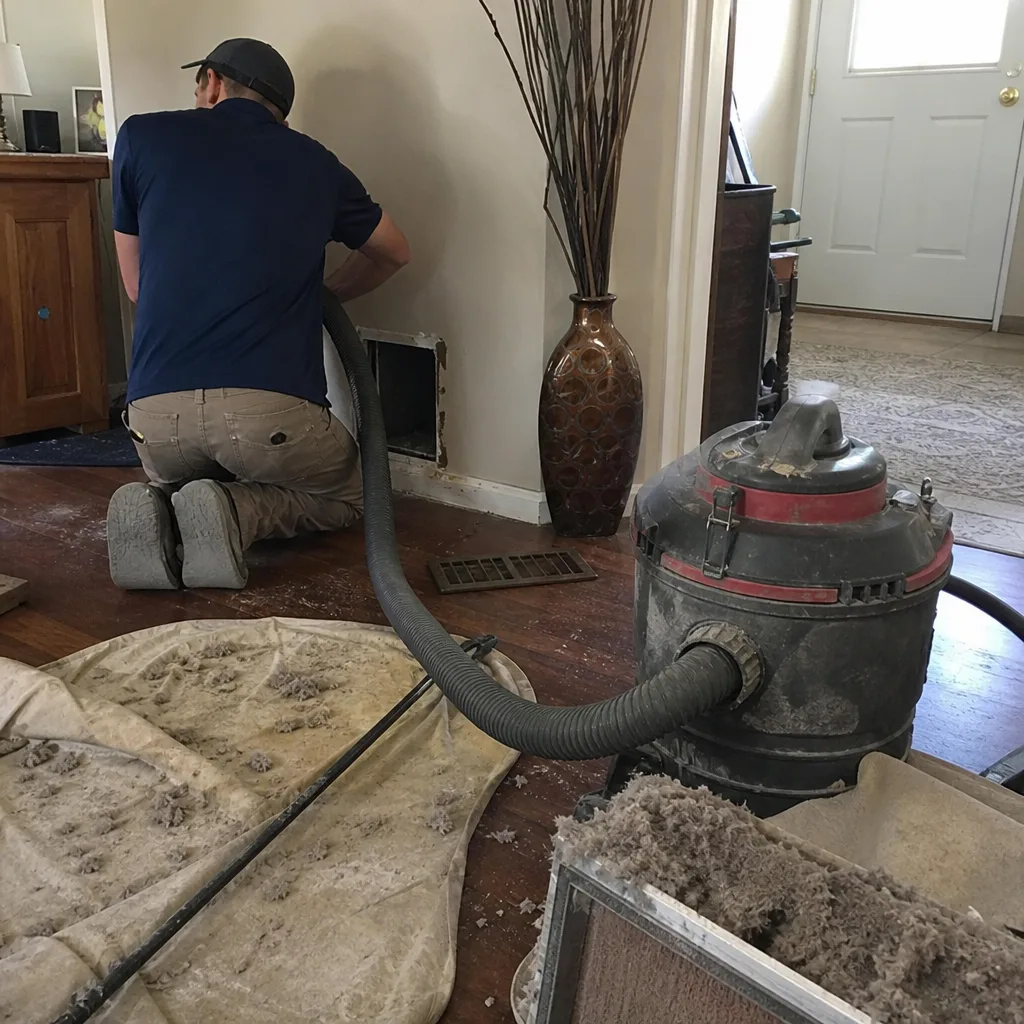 Before
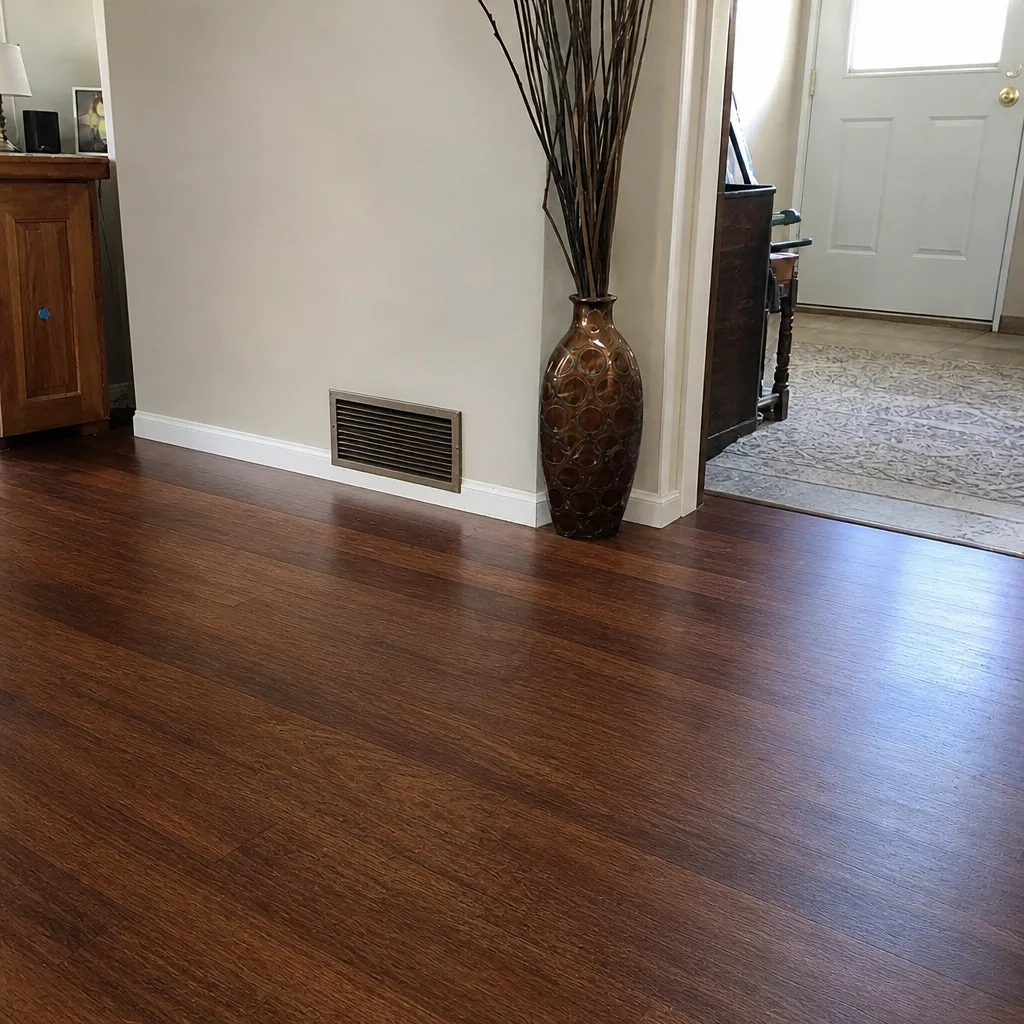 After
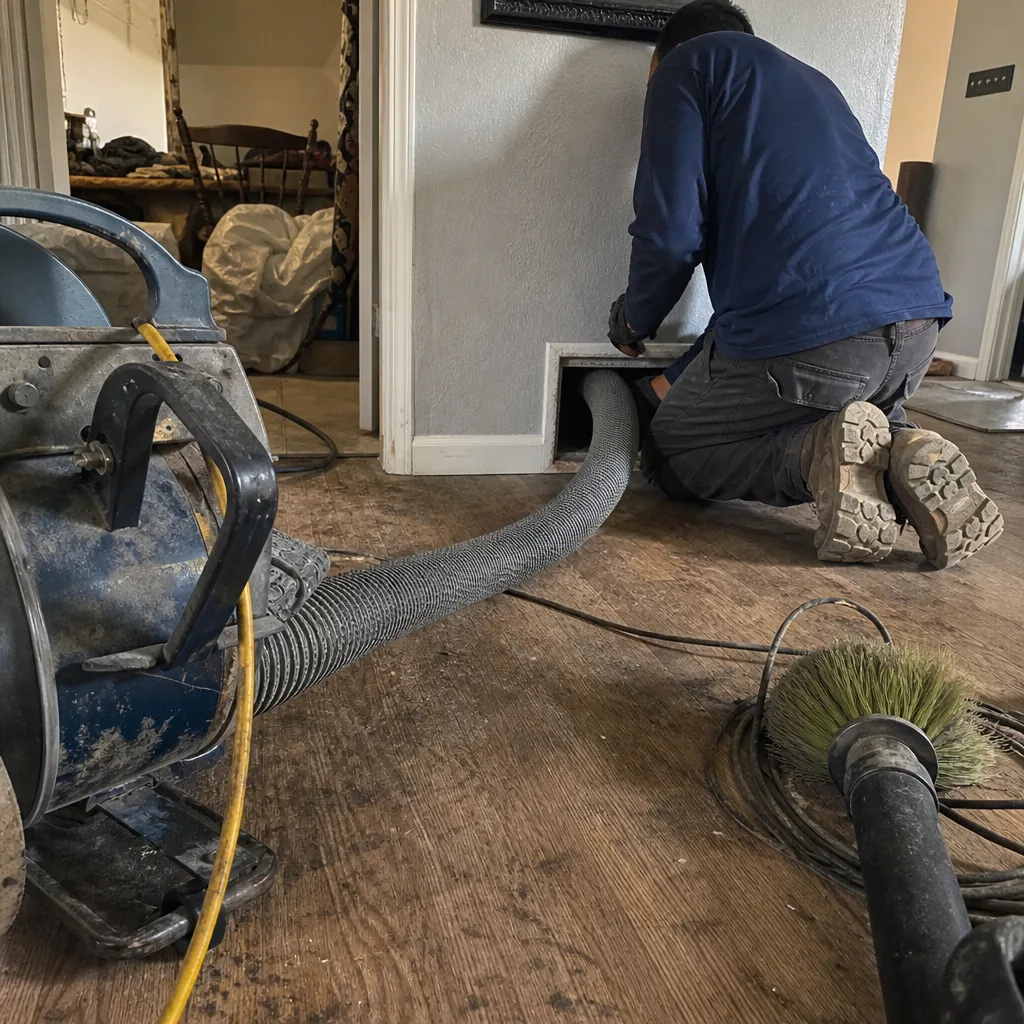 Before
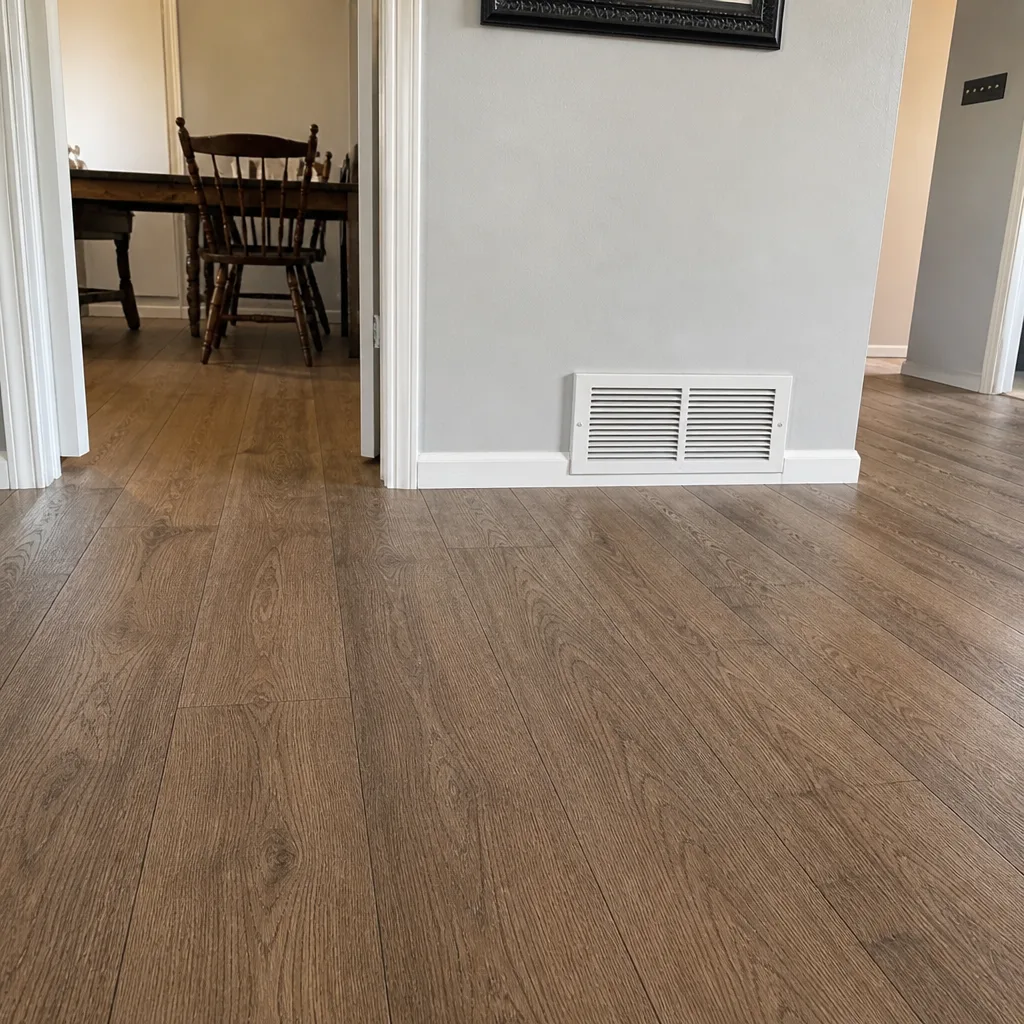 After
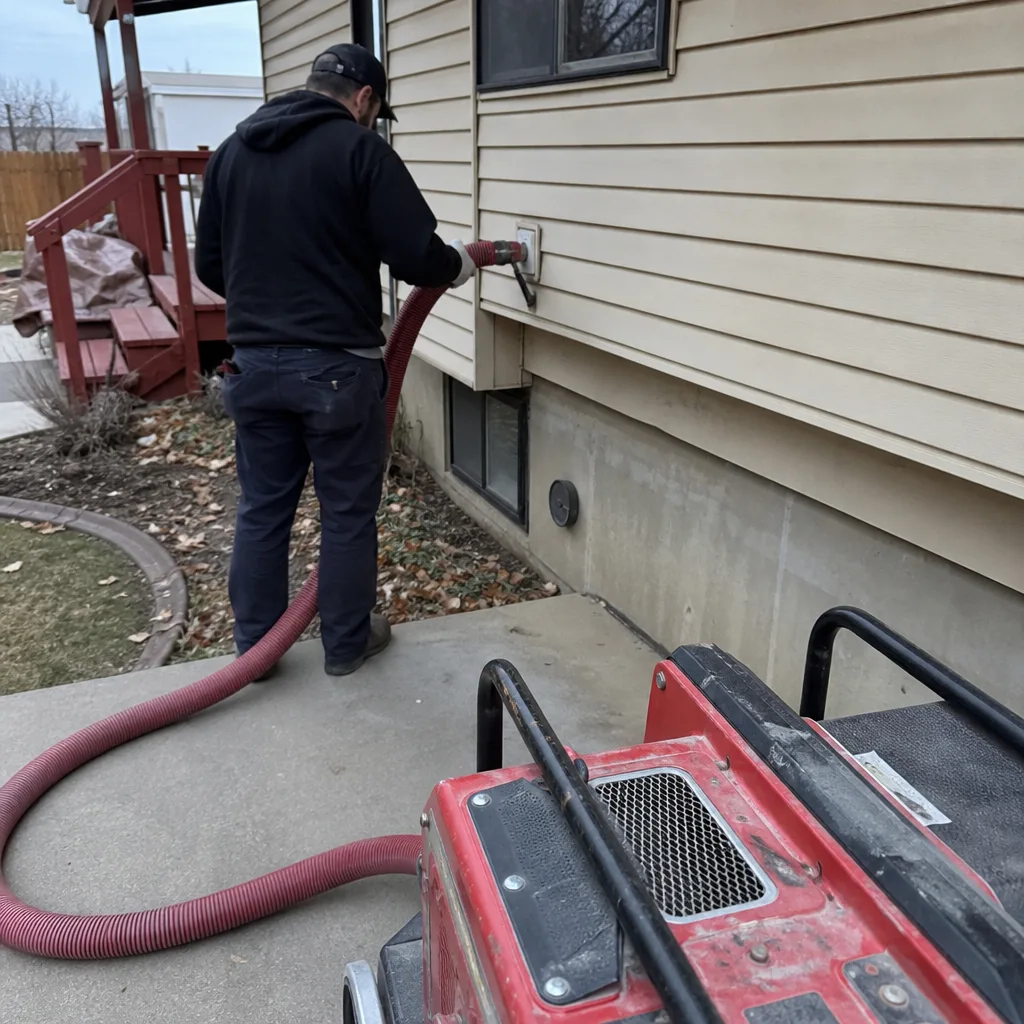 Before
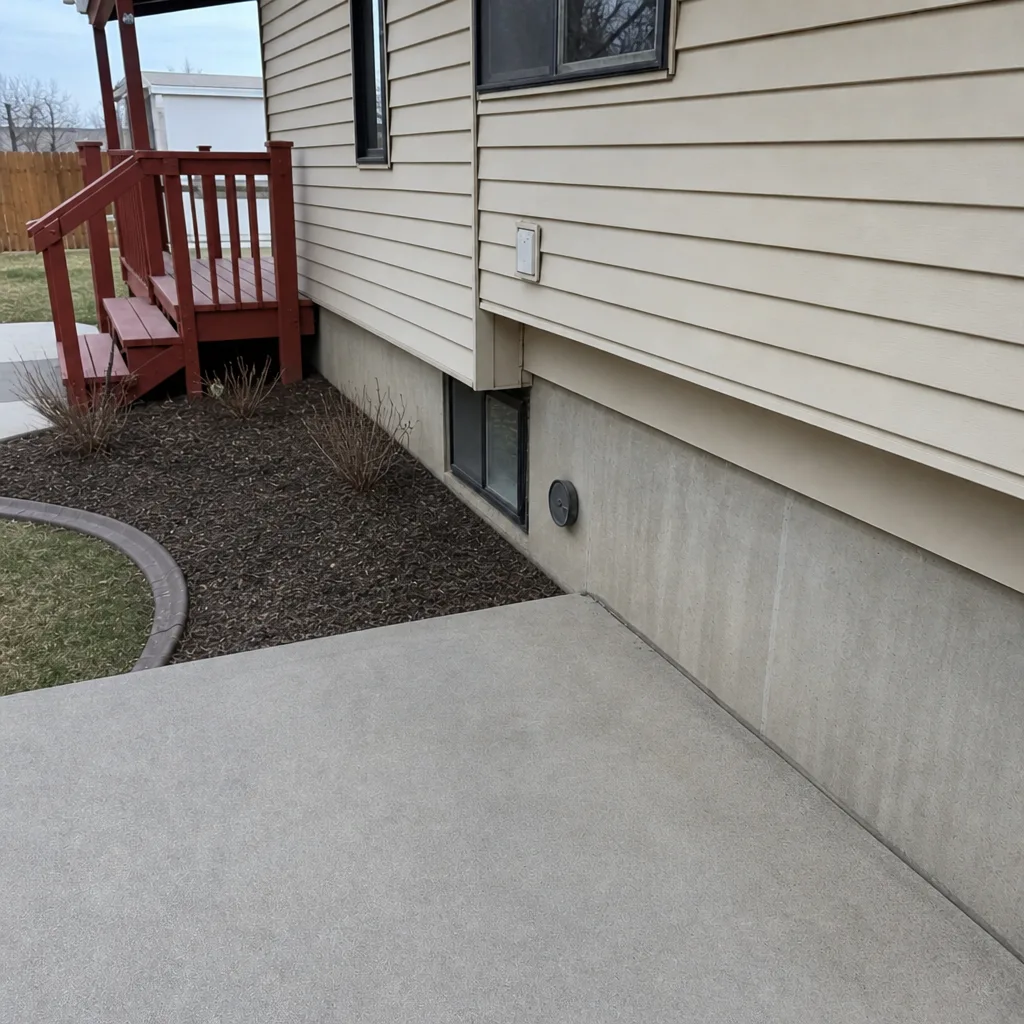 After
When to Call a Professional
Some signs in a West Jordan home point clearly to professional attention. Persistent dust buildup reappearing within days of cleaning, allergy symptoms that flare up when the furnace cycles, musty or stale odors from supply registers, uneven airflow between rooms, and a dryer that takes noticeably longer to dry a load are all signals worth investigating. Crushed or visibly separated ductwork in the attic or crawlspace is another. A cleaning crew with proper rotary brush and HEPA-rated negative-air equipment can assess what’s going on, document any repair issues, and give you a written scope before any work begins.
We offer free estimates in West Jordan. Call (888) 351-4348 for a written, scope-based quote. We answer 24/7. Fast dispatch from 7am to 7pm, Sunday through Friday. Estimates are free, the price is set per job by the written estimate, and we quote before work starts.
Frequently Asked Questions
Air duct cleaning in West Jordan is priced per job based on your system size, vent count, access difficulty, and whether dryer vent cleaning or duct repair is part of the scope. There’s no honest single number that applies to every home. The written estimate you receive after an inspection sets the final price, and it should match the invoice. Call (888) 351-4348 for a free estimate based on your actual system.
Cheap quotes are usually priced to win the call, not to do the work. A coupon number in the low hundreds typically grows several times over once the technician is on site and “discovers” additional scope – main trunk cleaning, sanitizing, dryer vent, additional vents. The way to avoid this is to ask for a written scope and a flat per-system price before booking. If the contractor can’t produce a written scope, the number isn’t real. Call (888) 351-4348 for an honest, scope-based quote.
Ask for before-and-after photos of your own ductwork as part of the written scope. A contractor equipped with a rotary brush agitation system can show you what came out of the ducts, and you can compare the interior of a supply run before and after cleaning. No photos, no proof. Call (888) 351-4348 to schedule a job with documented before-and-after results.
Most homes don’t need annual duct cleaning. The practical cadence depends on your system condition, dust levels, pets, recent renovation work, and whether anyone in the house has respiratory sensitivities. If ducts are structurally sound and not visibly contaminated, the frequent-repeat recommendation is more often about sales than about need. Ask a contractor to inspect first and tell you honestly whether cleaning is due. Call (888) 351-4348 to schedule an assessment.
West Jordan’s long, dry heating season and valley-trapped particulate make duct condition more relevant than in milder climates, and much of the city’s housing stock has ductwork in its second or third decade of service. That combination – extended heating runs and aging flex duct – is where cleaning and repair genuinely pay off. If your home has never had the ducts assessed, it’s worth a professional look. Call (888) 351-4348 for a free estimate.
No. Containment and HEPA-rated negative-air extraction mean the work happens without filling your living space with dust. The crew works within the system and the work area, and you can stay in the home. A contractor who can’t describe their containment setup clearly is telling you something about how the job will go.
Ask three things: the CFM rating of the vacuum system, whether it’s a negative-air HEPA-rated setup, and what agitation method is used on the duct walls. We operate Rotobrush rotary brush systems and Nikro HEPA-rated negative-air equipment, and we work Abatement Technologies filtration into indoor air quality jobs. If a contractor can’t answer these questions in specifics, keep looking. Call (888) 351-4348 to talk through your system.
The Bottom Line
Hiring a duct cleaning contractor in West Jordan comes down to four checks: ask the three equipment questions (CFM, negative-air HEPA, agitation method), verify Utah licensing and liability insurance, insist on a written scope that lists access points, vent count, and dryer vent inclusion, and refuse to sign anything until the price is one flat number per system. A certification on the website is a useful floor, not enough on its own. Cheap quotes are priced to win the call. The contractors worth hiring will answer every question without hesitation and put the work in writing. That’s the standard to hold for your home.
Duct Cleaning West Jordan handles cleaning, dryer vent work, and duct repair as a complete picture for your system. Call (888) 351-4348 for a free estimate. We answer 24/7. Fast dispatch from 7am to 7pm, Sunday through Friday. Our technicians have up to 11 years of experience, the price is set per job by the written estimate, and we fix what we find. For our full service overview, see Duct Cleaning West Jordan.
Written by the team at Duct Cleaning West Jordan.