
Last updated November 15, 2026
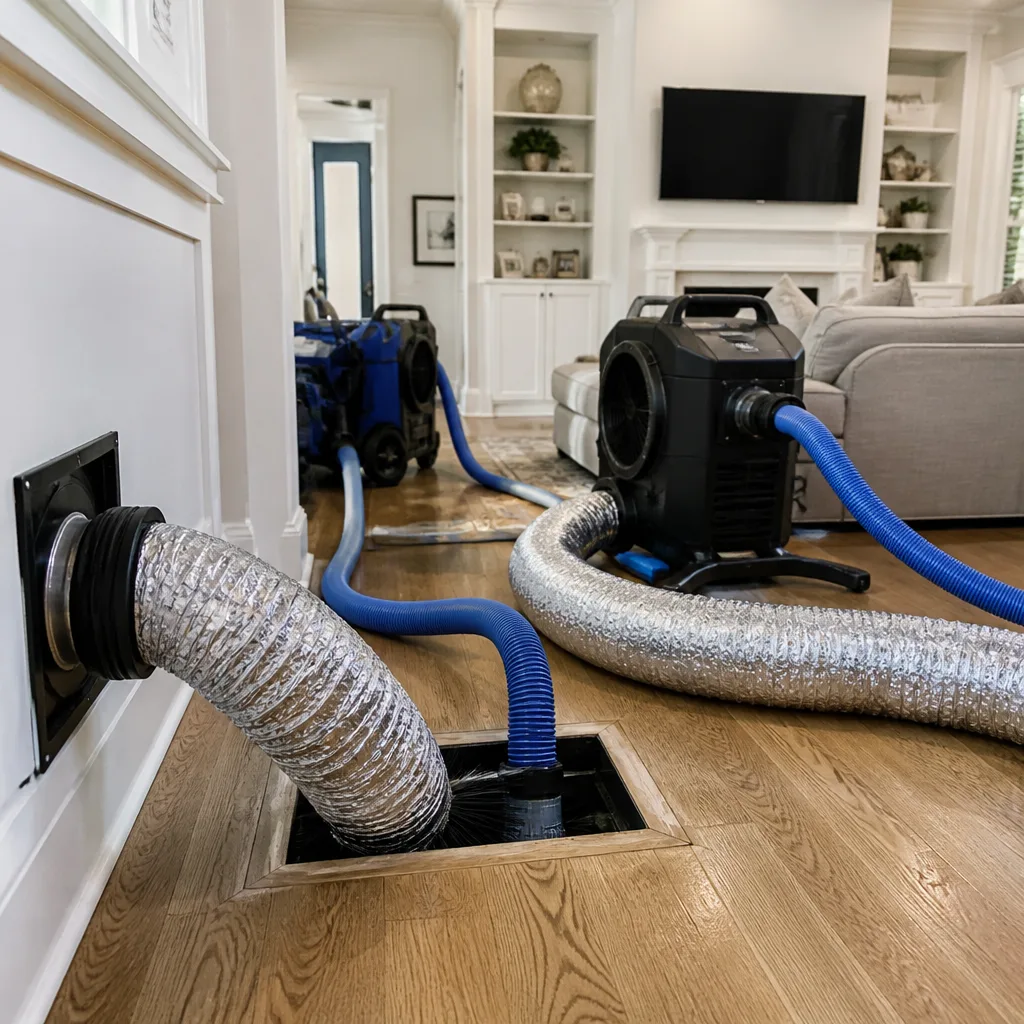 Whole-home duct cleaning
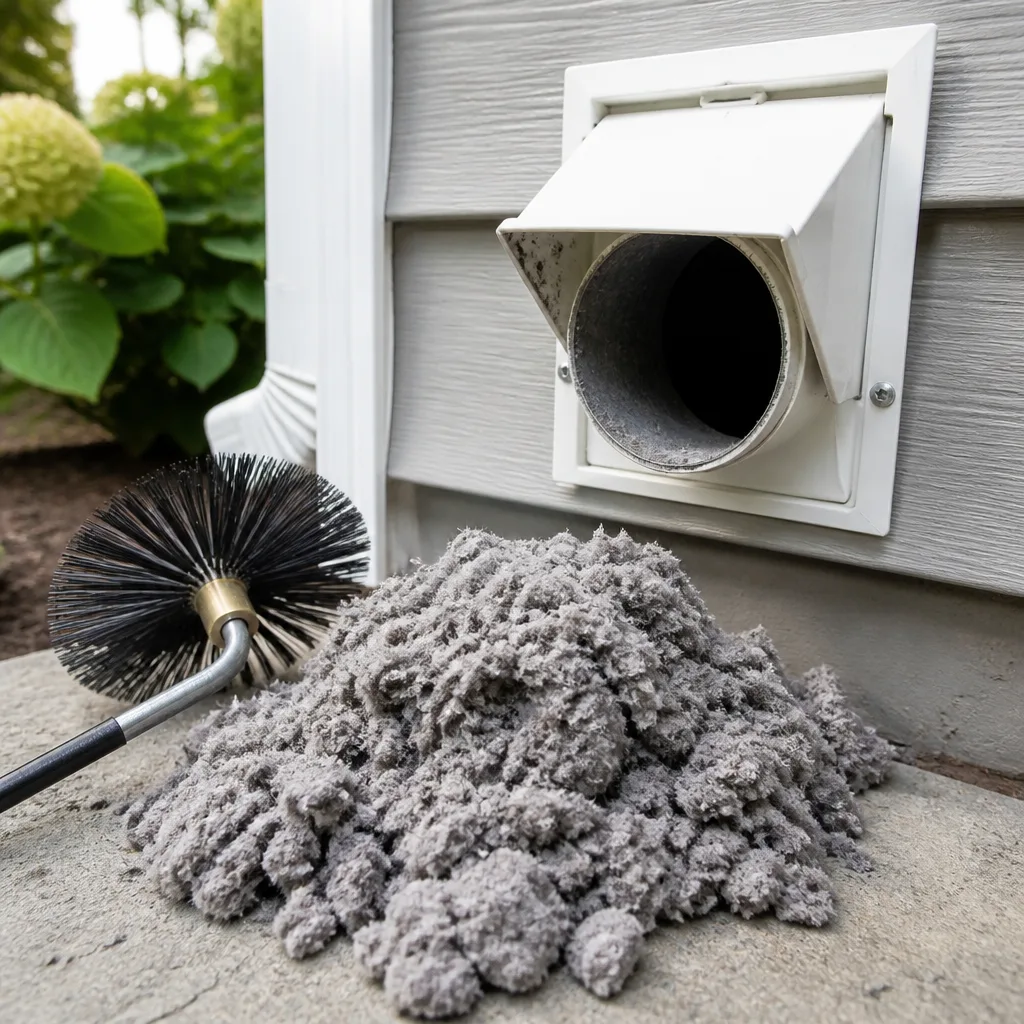 Dryer vent cleaning
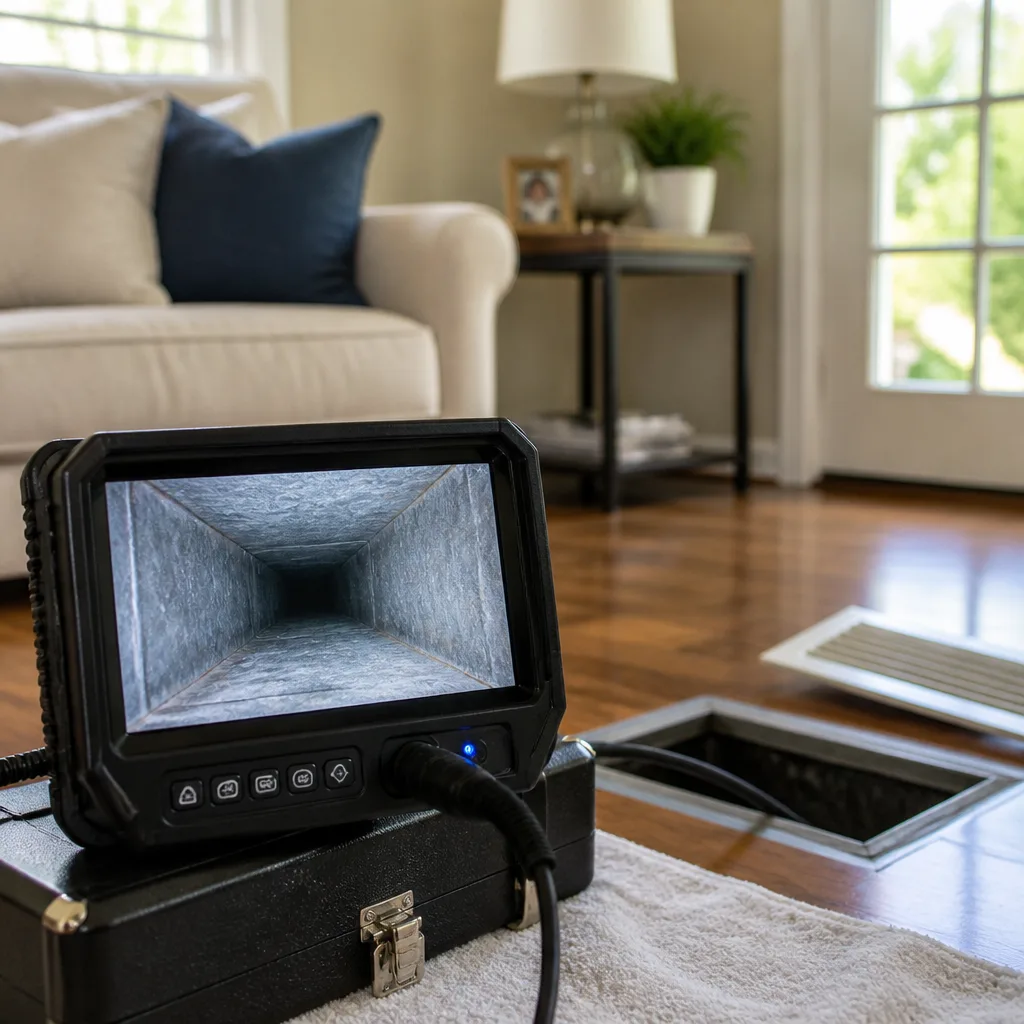 Camera inspection
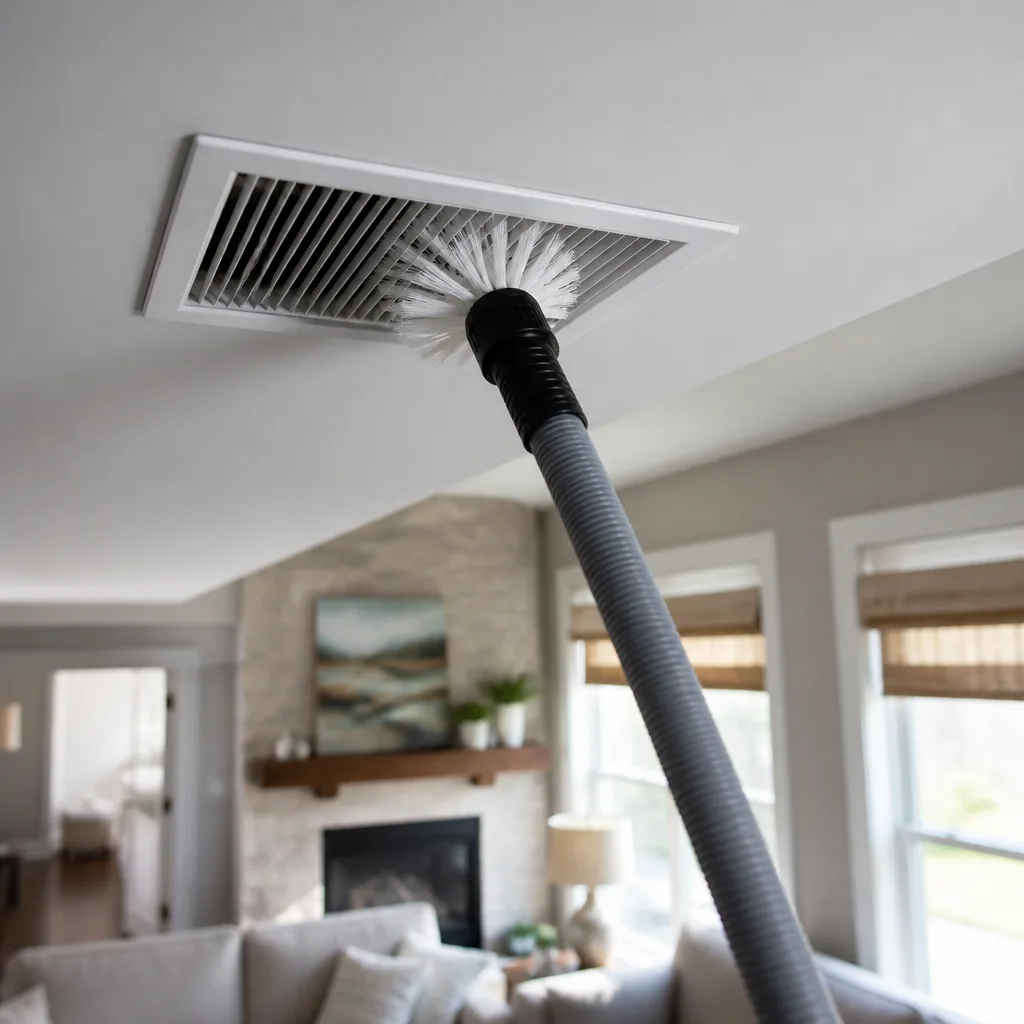 Sanitizing & deodorizing
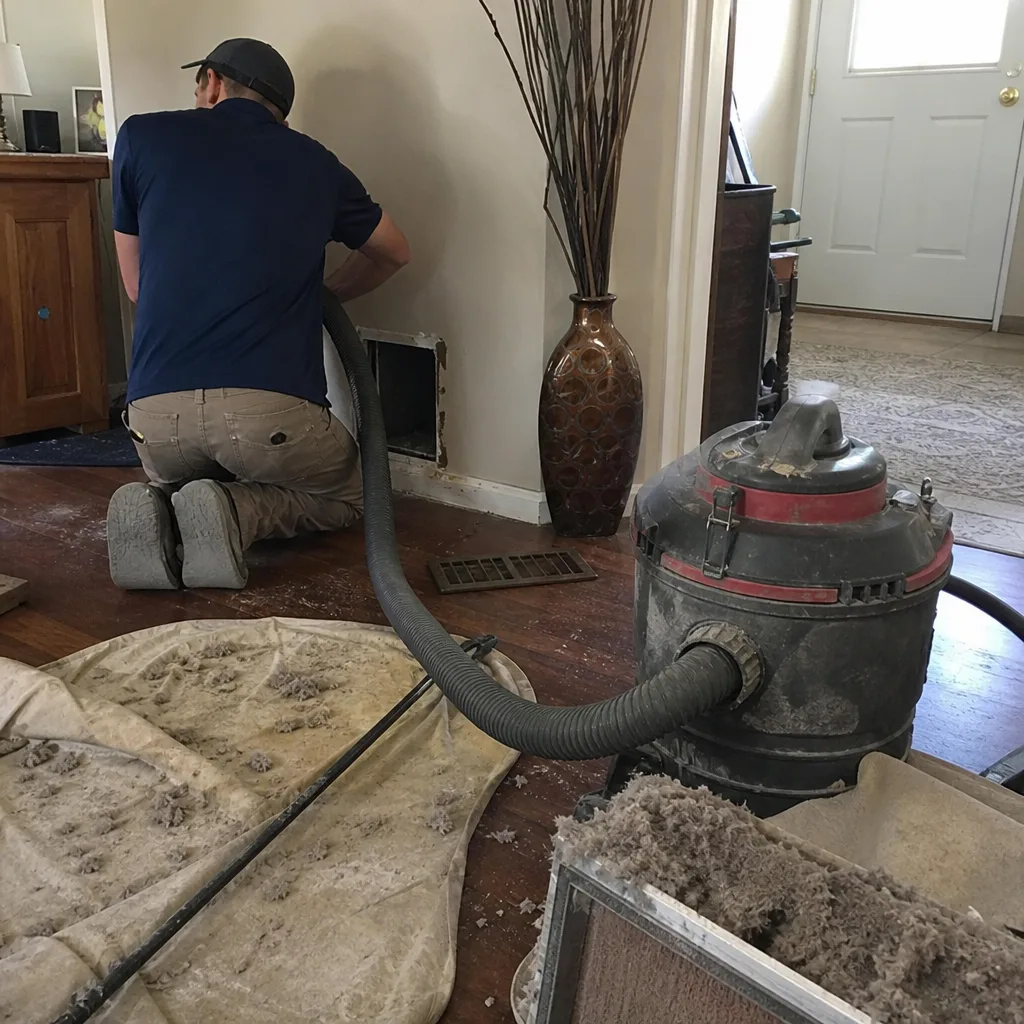
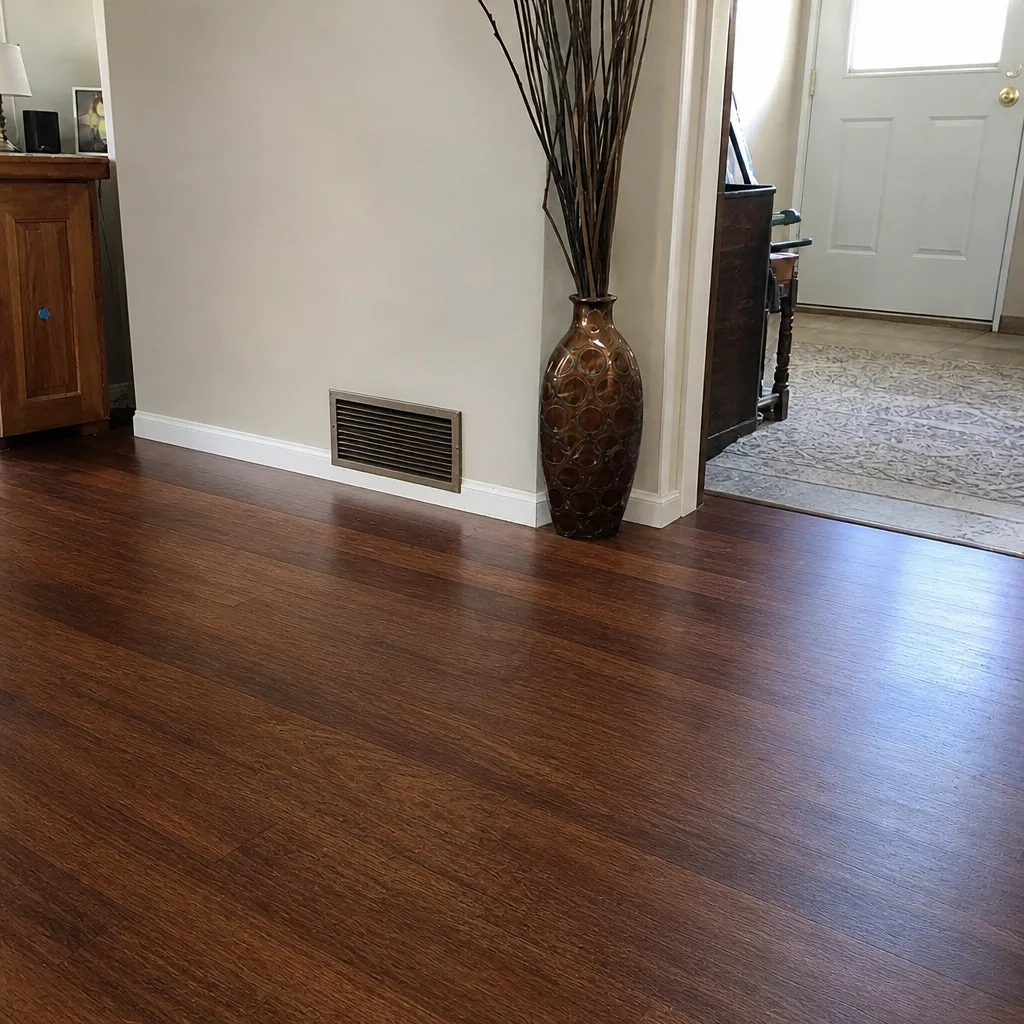
Whole-system duct and dryer vent check with before-and-after photos - you see exactly what came out of your vents
That "$99 whole-house special" is a bait ad - the real number appears once they are in your hallway, or the "clean" is a shop-vac at the register. We photograph the inside of your ducts before and after instead.
DIY vs Professional Air Duct Cleaning: The West Jordan Homeowner’s Decision Guide
Here’s the part most guides won’t tell you: the tools sold for do-it-yourself duct cleaning don’t clean ducts. They clean the first 18 inches of them. A homeowner vacuums the registers, replaces the filter, wipes the grilles, and the system looks and smells better for a few weeks. Six months later the dust is back and the allergies haven’t eased. That’s not a failure of effort. It’s a failure of pressure. This guide is honest about what you can genuinely do yourself in a West Jordan home, what consumer equipment physically cannot accomplish, and how to decide which side of that line your ductwork sits on.
Quick Answer
You can and should handle the light work yourself: register cleaning, filter changes, grille wiping, and visual inspection of reachable sections. What you can’t do is clean the trunk lines and deep branch runs, because home vacuums can’t create the negative pressure or agitation needed to pull caked debris off duct walls. If you suspect heavier buildup, past renovation debris, rodent activity, mold, or just years of accumulation, that’s a professional job.
Styles & brands we work with
- Whole-home duct cleaning
- Dryer vent cleaning
- Camera inspection
- Sanitizing & deodorizing
Table of Contents
- What DIY Duct Maintenance Actually Accomplishes
- Why Consumer Equipment Can’t Clean a Duct System
- When Professional Cleaning Is Non-Negotiable
- What You Can Do Between Professional Cleanings
- The Five-Year Cost Comparison
- Duct Repair and Why Cleaning Isn’t Always the Fix
- Dryer Vents: The One Duct You Should Never DIY
- How a Professional Duct Cleaning Actually Works
What DIY Duct Maintenance Actually Accomplishes
Let’s start with what’s genuinely useful, because DIY maintenance isn’t nothing. In a West Jordan home, the most accessible dust problem lives at the surface: the return and supply registers, the grille faces, and the first few inches of duct behind the grille. These are the places dust settles, pets brush against, and dust mites find shelter. Cleaning them makes a visible difference and a measurable one for the air that passes through in your living space.
Here’s what a homeowner can realistically do:
- Register and grille cleaning: Removing the vent cover and wiping the visible interior makes a real dent in surface dust. A soft brush and a vacuum with a crevice tool handle this.
- Filter replacement: This is the single most effective maintenance action you can take. A clogged filter starves airflow and pushes dust into the return before it ever reaches your equipment. Check it monthly, and change on the interval the manufacturer specifies – usually every 1 to 3 months depending on pet load and how much construction dust is around.
- Visual inspection of accessible sections: When you have a register off, peer in with a flashlight. Light, loose dust is normal. Heavy buildup, dark staining, fuzzy growth, or droppings are not, and those are the signals to stop and call.
- Keeping floor returns clear: Furniture, rugs, and clutter over return grilles choke airflow and cause dust to settle in places it otherwise wouldn’t.
That’s the honest extent of it. Wiping a grille and changing a filter is real maintenance, but it’s maintenance on the entry point, not the system. The dust that causes the most trouble isn’t sitting at the register – it’s caked onto the walls of a 20-foot trunk line behind a wall, and no surface wipe reaches it.
Why Consumer Equipment Can’t Clean a Duct System
This is the part that comes down to physics, and it’s worth understanding because it explains the whole DIY-versus-professional question. Duct cleaning isn’t about scrubbing hard. It’s about negative pressure – pulling the whole system into a contained vacuum so that loosened debris goes into a collection bag instead of back into your home.
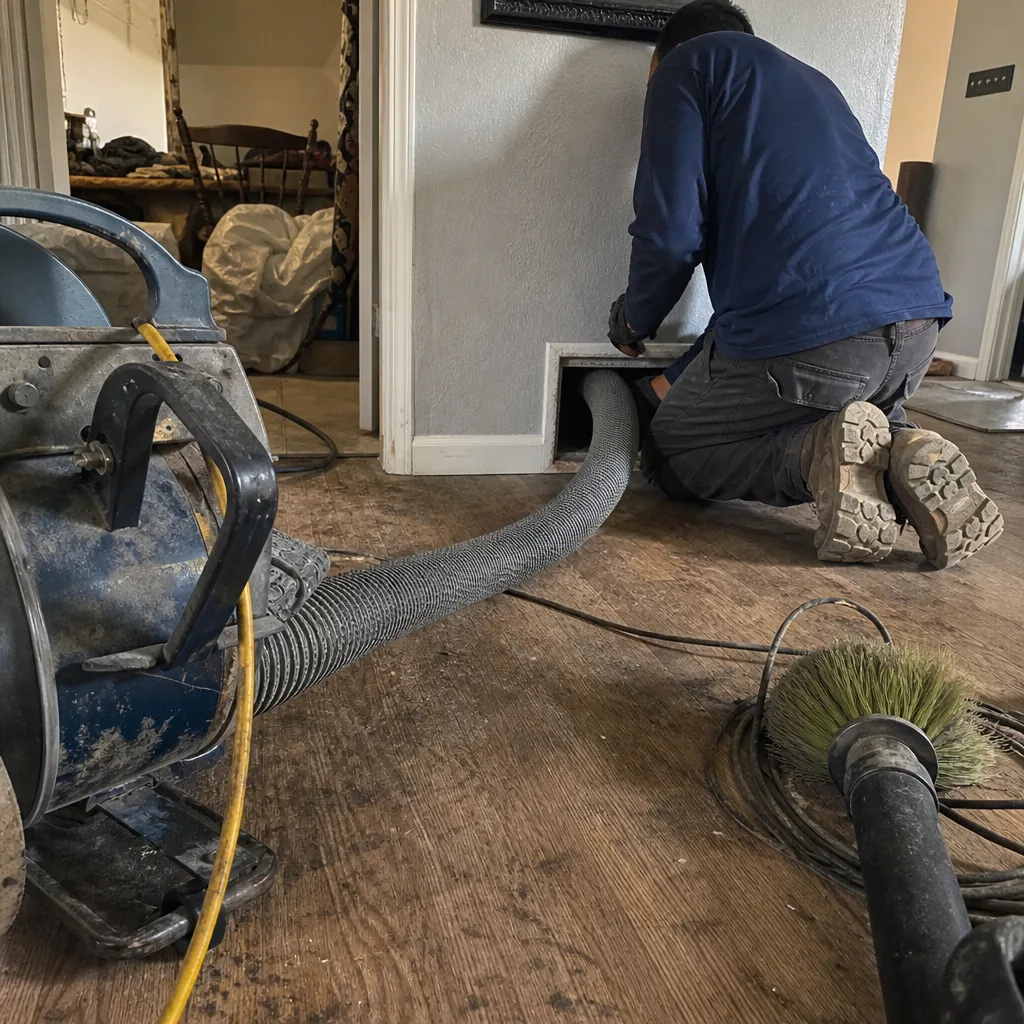
Professional systems are built around that principle. A Duct Cleaning West Jordan job typically runs a Rotobrush rotary brush system to agitate debris off the duct walls, a Nikro high-efficiency-negative-air (HENA) setup for HEPA-rated extraction, and containment tools – often in the Abatement Technologies family – to seal openings and keep dust from escaping. The brush loosens it; the negative air pulls it out; the containment holds it. Remove any one of those three and you don’t have a clean duct – you have a disturbed one.
Here’s what a shop vac or a dryer-vent brush kit physically can’t do:
- Create enough vacuum: A shop vac pulls a small volume of air through a small hose. Duct cleaning requires moving a large volume of air through a large opening to entrain debris from an entire branch run. The pressure gradient simply doesn’t exist with consumer equipment.
- Reach around corners: Flexible home tools bend and stop moving at the first elbow. Professional brush heads and cable systems navigate multiple turns to reach the deep sections.
- Agitate duct walls: Debris in a duct isn’t loose dust – it’s adhered to the surface, sometimes layered with oil, moisture, and age. A plain vacuum head won’t lift adhered material. That’s why Rotary brushing is used.
- Contain the dust that’s released: When you disturb debris in a duct, it becomes airborne. Without negative pressure and filtration, that dust ends up in your living room. A shop vac has no way to prevent that.
That’s why DIY duct cleaning “works” for about a season. You’ve cleaned the first 18 inches of every run and left the trunk lines untouched. The dust you can’t see is still there, and the next few months of airflow will bring it back to the registers.
When Professional Cleaning Is Non-Negotiable
There are specific scenarios where doing it yourself isn’t a shortcut, it’s a mistake. Every one of these has a reason behind it that isn’t about convenience.
Post-renovation debris. Drywall dust, sawdust, insulation fibers, and construction grit don’t settle like household dust. They bind to duct surfaces. A West Jordan home that recently had a bathroom remodeled, a kitchen redo, or a home-office build-out almost certainly has construction debris sitting in the return system. It will recycle into the house for months. Professional extraction is the only way to remove it.
Rodent evidence. Droppings, urine staining, or nesting material in a duct are a health concern, not just a nuisance. This needs professional containment and in some cases duct repair or replacement of the affected section. Never vacuum rodent-contaminated dust with consumer equipment and no respiratory protection – it aerosolizes what you don’t want to breathe.
Visible mold or musty odor. Mold in a duct usually means moisture is getting in, often from high indoor humidity, a nearby leak, or condensation on poorly sealed runs. Cleaning the mold without fixing the moisture just lets it return. A professional assessment should look at both.
New construction dust. The first year in a new home in West Jordan carries a specific problem: construction dust in the ductwork from the build. Many builders do a light clean, but a full clean after the first heating season is common practice, and it’s not DIY-able.
Compromised airflow or chronic uneven heating and cooling. If some rooms never warm up and others cook, or the system sounds like it’s working harder than it should, duct leakage or debris obstruction may be the cause. This needs to be diagnosed, and the fix isn’t always cleaning – it might be air duct cleaning plus repairs, or repair alone.
What You Can Do Between Professional Cleanings
The right question isn’t “how do I clean my ducts myself?” It’s “how do I slow the rate at which clean ducts get dirty again?” That’s where DIY genuinely earns its place, and it isn’t overstating things to say it makes a real difference. The trick is knowing what to expect from each action.
Change the filter on schedule, not on feeling. A filter change is the highest-leverage thing you’ll do. It costs a few dollars, it takes two minutes, and it keeps dust out of the return duct in the first place. In a pet household, or when there’s construction nearby, more often than you’d think.
Consider a higher-MERV filter for baseline filtration. Honeywell and Aprilaire both make residential filtration products rated for real dust capture. A filter with proper rating and a good seal on the frame does more than a cheap pleated one that lets air slip around the edges. Don’t overshoot the MERV rating on an older system – high restriction can starve airflow. Match it to your equipment.
Control what comes in. Shoes off at the door, door mats, keeping windows closed when the West Jordan wind picks up dust in late spring. It’s not glamorous but it genuinely cuts how fast dust accumulates in a system.
Keep returns clear and grilles clean. Furniture over a return, a pet bed pushed against a supply, dust on the grille face – all minor, all cumulative.
Watch humidity. Mold in ductwork almost always comes back to moisture. A running humidifier with no measured humidity can push an indoor environment into mold territory. Keep it reasonable, and address leaks promptly.
Re-inspect annually. Pop a register off once a year and look. You’ll know when “normal dust” has become “time to schedule a clean.” That’s the signal, not the calendar.
The Five-Year Cost Comparison
Homeowners ask about this because DIY feels cheaper in the moment, and it is, per action. Across five years, the math is less one-sided than it looks – but not for the reason people expect. DIY supplies are cheap. What makes the DIY path expensive over five years is what it doesn’t prevent.
Here’s the comparison laid out honestly.
Doing It Yourself for Five Years
- Filters: A running cost no matter which path you choose – budget 4 to 12 filters per year depending on household, and the type you choose.
- Consumer duct cleaning kit: Real money spent on a tool you’ll use once or twice and then retire to the garage shelf.
- Repeated surface cleaning: Your labor and time, which you should count, because it isn’t free.
- Premature HVAC service calls: The hidden line item. A system working harder against a restricted or debris-loaded return runs longer, uses more energy, and puts more wear on the blower and the coil. Coil cleaning and blower service are real repair costs, and if ductwork stayed dirty, the system will need them sooner.
- Whole-house dust never actually going away: This is the honest cost. You keep cleaning surfaces because the source wasn’t addressed.
Scheduled Professional Cleaning on a Reasonable Interval
- Professional cleanings over five years: One or two jobs, spaced to the home’s needs – not a subscription schedule, just a reasonable interval based on what’s actually happening in the ducts.
- Filters: Same as DIY, since you should still be changing them.
- The same light maintenance your DIY path includes: Grille wiping, floor-return clearing, visual checks.
- Repairs caught early: A duct repair found during cleaning is cheaper than a duct repair found after it caused airflow problems. We fix what we find – and the alternative, discovering it later from a system that’s underperforming, costs more.
The honest conclusion: DIY is cheaper in year one and often in year two. By year three to five, the accumulated dust, the extra system runtime, and the inevitable “time to call a professional after all” cleaning close the gap – and may tip it. If you’re going to spend the money either way, spending it on a professional cleaning earlier usually means better results and less time on your hands and knees with a shop vac.
Duct Repair and Why Cleaning Isn’t Always the Fix
Something we see often – and that most cleaning-focused companies skip – is that a duct problem isn’t always a cleaning problem. Ductwork in West Jordan homes has to survive dry desert air, seasonal temperature swings, and the movement that comes with decades of heating and cooling cycles. Disconnected joints, crushed flex runs, torn insulation, and gaps at seams are common. Cleaning around a compromised duct doesn’t fix the duct. It just leaves the problem in place hidden behind the grille.
Signs you may be looking at repair rather than cleaning:
- Dust streaks or dark stains on a register face or the wall near a duct.
- A room that never heats or cools despite a supply register being open.
- Rattling, whistling, or hissing at a connection point.
- Visible flex duct damage in the attic or crawlspace – crushed, torn, or sagging.
- Dust concentrated in one area while the rest of the house is comparatively clean.
This is where having West Jordan duct cleaning and repair as one service makes a real difference. A cleaning-only company cleans; when they see a failed joint, they can’t do anything about it. Our approach is to identify compromise during the job and repair it, so the clean we just performed actually holds. If you’ve had a cleaning and the dust came right back, a repair assessment is often the missing step.
Guardsman filtration products are also worth understanding here. A properly sized and sealed filtration setup does more for indoor air than duct cleaning alone, but it only works when the ductwork that delivers the air is intact. Repair and filtration are connected, not separate conversations.
Dryer Vents: The One Duct You Should Never DIY
We’re going to be direct about this because it’s a safety issue, not a maintenance preference. Dryer vent cleaning is not a DIY job. The consequences of getting it wrong are different in kind from a dirty supply duct.
A stuffed dryer vent is the leading cause of clothes dryer fires in the US, and the fix isn’t a flexible brush kit pushed through from the outside. The right job involves removing the dryer from the wall (or accessing the vent properly), scrubbing the full run of the vent with appropriate tools, clearing the exterior termination, confirming the vent hood or flapper opens without restriction, and inspecting the run for crushed or kinked sections that can cause lint to accumulate. A dryer vent cleaning done as a focused service catches all of it. A DIY brush kit catches the first four feet and leaves the rest.
The reasons it matters in West Jordan specifically:
- Homes here often run dryers in interior laundry rooms with long vent runs that hit multiple elbows – more places for lint to catch than a short direct run.
- Lint accumulation happens faster than most people think, and the visual check of the exterior hood (does it flap when the dryer runs?) doesn’t tell you about the middle of the run.
- A clogged vent makes the dryer work harder, which shortens its life and raises energy use – a cost that shows up before the safety problem does.
Treat dryer vent cleaning as a dedicated service, not a checkbox afterthought on a duct cleaning appointment. It should get proper time with proper tools, not five minutes at the end.
How a Professional Duct Cleaning Actually Works
Knowing what happens during a professional cleaning helps you understand what you’re paying for, and it tells you what to ask about if you’re comparing quotes. Here’s what a proper job looks like, in order.
- Pre-inspection. The technician walks the system, identifies all registers and returns, looks for signs of compromise (disconnected runs, visible damage, moisture, rodent evidence), and reviews the layout so nothing is missed.
- Containment setup. Vacuum and filtration equipment is connected at a chosen opening, using Abatement Technologies or comparable filtration to catch fine particles. Sealing openings holds the system under negative pressure so disturbed debris goes into the equipment, not into the house.
- Agitation. A Rotobrush rotary brush is fed through each branch and trunk run, mechanically loosening adhered debris from the duct walls. This is the step home equipment can’t replicate – and it’s the step that determines whether the job actually works.
- HEPA extraction. Nikro HEPA-rated equipment pulls the loosened debris out into collection. This is the step that gets it out of the house rather than redistributing it.
- Register, grille, and boot cleaning. Each register and grille face is cleaned by hand, and the boot – the section behind the register that hands the airflow into the room – is cleaned as well.
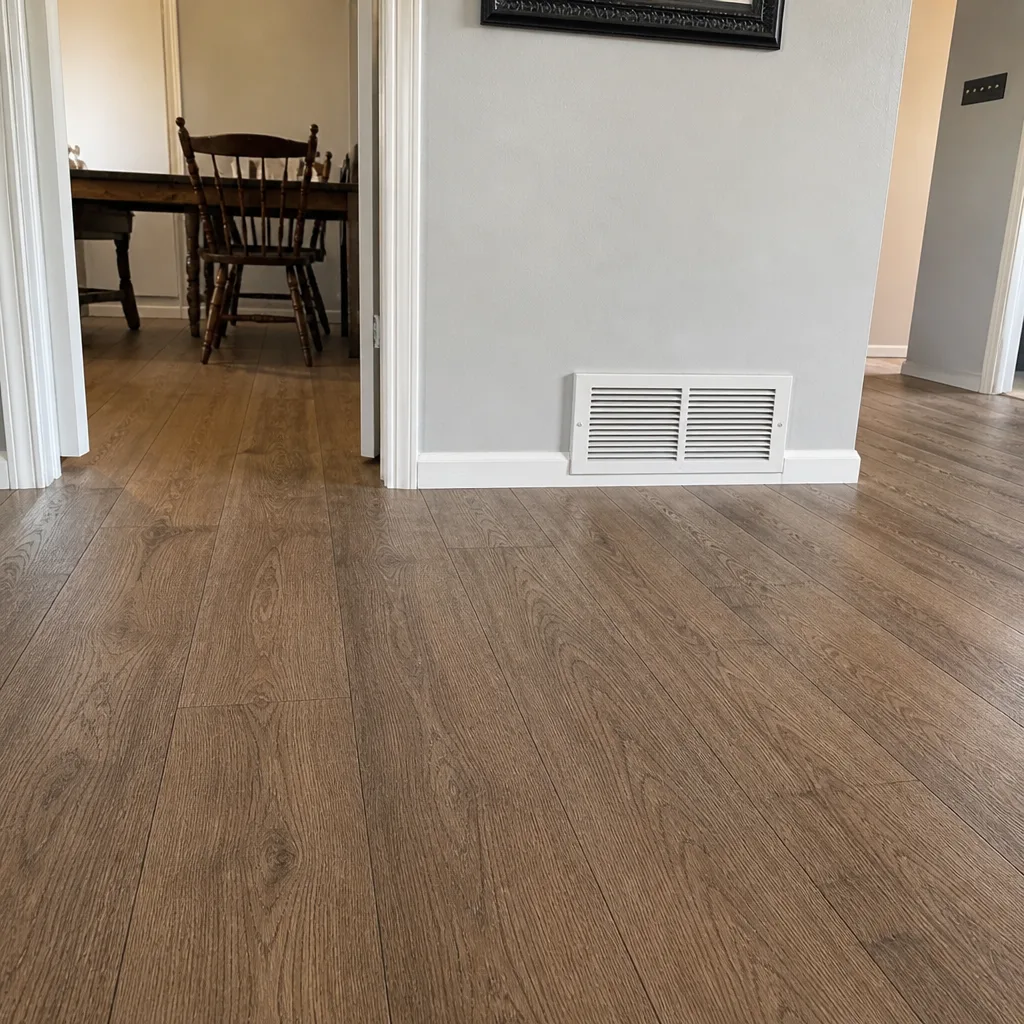
- Post-inspection and photo record. The system is inspected again, and in our case we show before-and-after photos of your own ducts, so you can see what was removed.
- Repair if needed. Anything found compromised during the job is flagged and, where possible, repaired so the clean actually holds.
Two things most people should specifically ask about when comparing quotes: what agitates the duct walls (a plain vacuum doesn’t), and whether the company can repair a problem they find. That second question is how you separate a cleaning crew from a company that offers a full-picture solution.
Common Mistakes to Avoid
- Believing a dryer-vent brush kit cleans a supply duct. The kit was designed for one job – reaching short runs to move lint – and it’s marketed as a duct cleaning solution. It isn’t. Using it on supply and return ducts just stirs debris without extracting it.
- Skipping containment when disturbing debris. If you do disturb a duct – even in the accessible sections – without negative pressure and filtration, you’re releasing dust into the whole home. In West Jordan’s dry climate, that dust stays airborne longer than you’d think.
- Changing filters once a year and calling it maintenance. A year is often too long. Check monthly. If you can’t see light through the filter, it’s overdue.
- Using the highest-MERV filter you can buy on an older system. High restriction starves the blower. Match filtration rating to what your equipment can actually pass, and consider a proper filter cabinet from a name like Honeywell or Aprilaire if you want real baseline filtration.
- Calling a cleaning when the problem is a repair. If a room never heats well, or one register collects dust fast, that’s a duct problem, not just a cleanliness problem. Cleaning won’t fix a crushed flex run.
- Taking a low coupon-priced offer at face value. If the price seems far below the going rate for a full-system clean, ask what’s included. Cheap jobs are often register-only, or get upsold the moment the technician is on-site. You want a single flat price per system agreed before the work starts.
- Assuming cleaning fixes allergies on its own. Clean ducts help, but filtration, humidity control, and source control do a lot of the work. Cleaning is one piece of a whole-home air quality picture.
See the difference
 Before
 After
 Before
 After
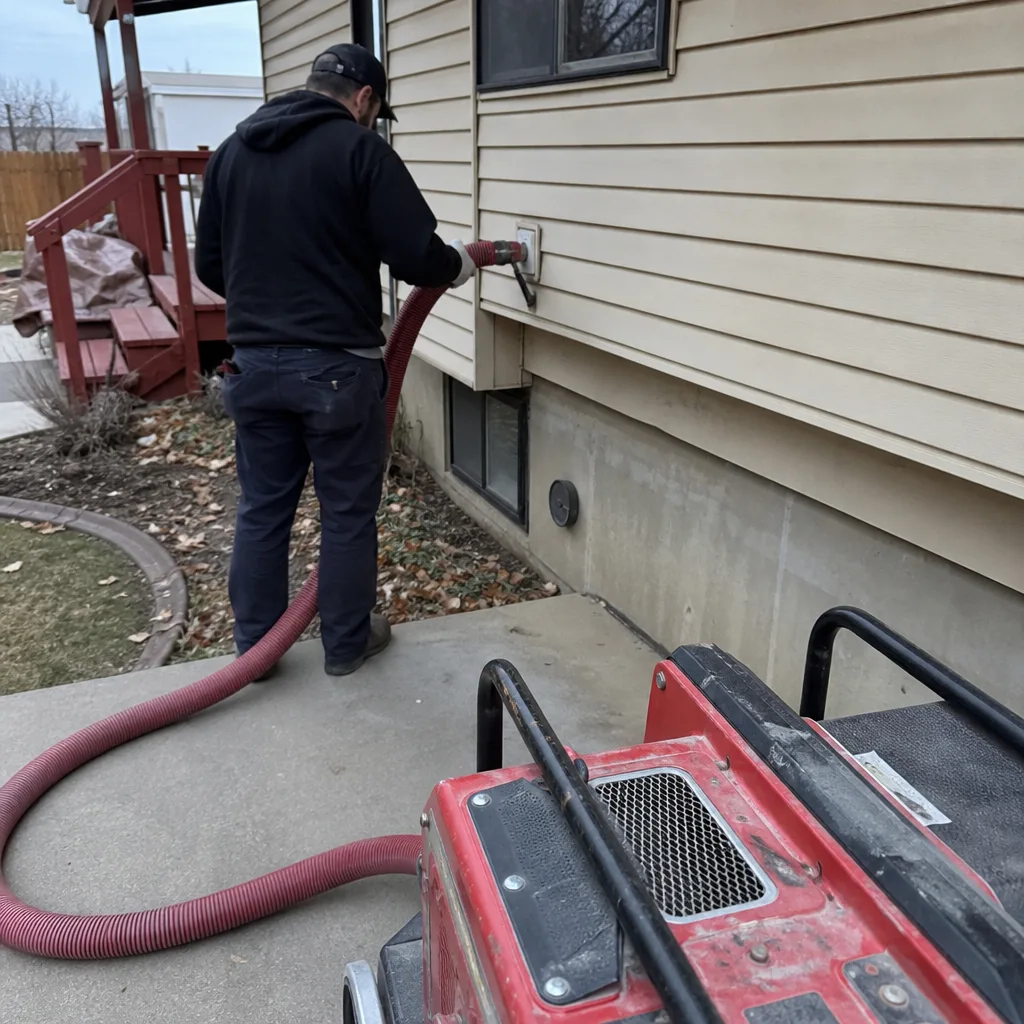 Before
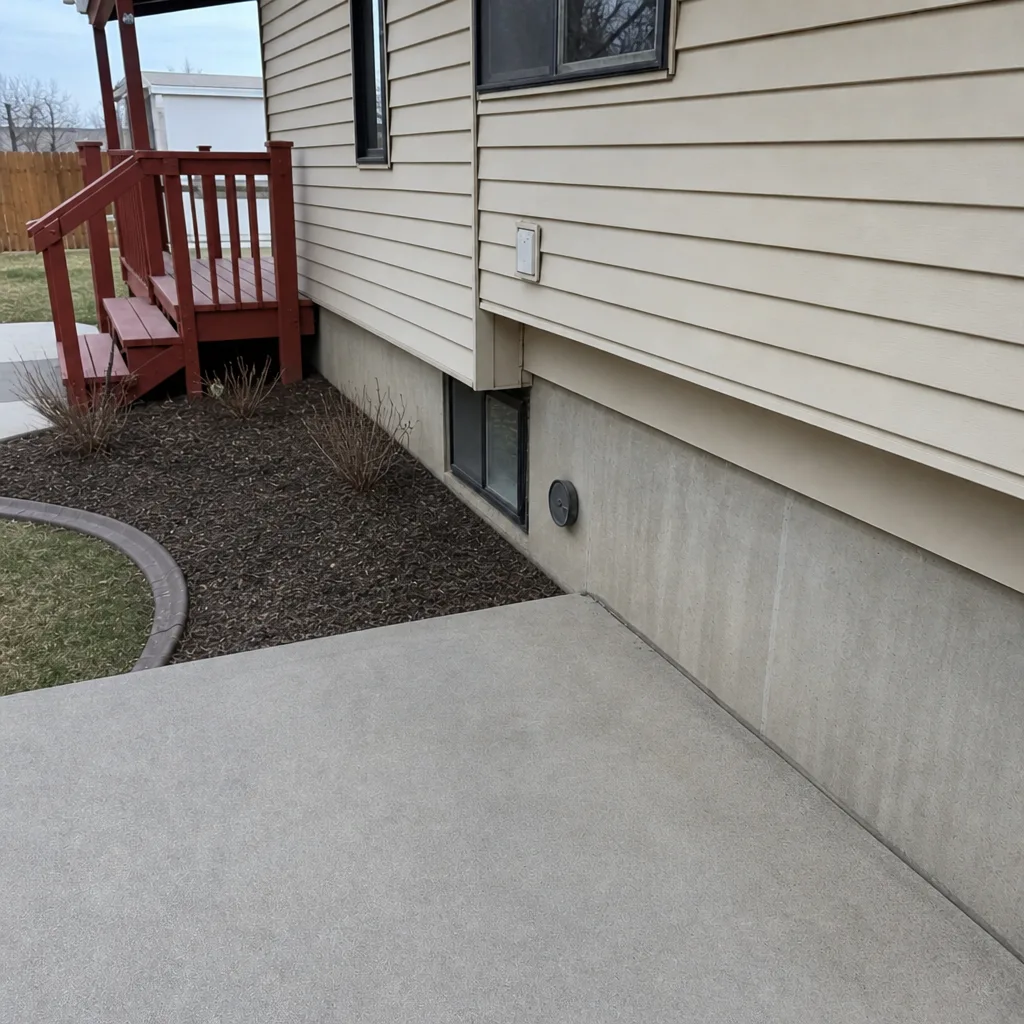 After
When to Call a Professional
If any of the following applies to your West Jordan home, it’s time to schedule an assessment:
- You’ve renovated recently, or you’re still finding drywall dust and grit in your registers.
- You’ve seen droppings, heard scratching, or suspect rodents have been in the ductwork.
- There’s a musty smell that keeps coming back, or you’ve seen visible growth in a duct or on a register.
- The home is new construction and has been through at least one heating season.
- Dust returns within weeks of cleaning a room, or the home feels dustier than it should.
- Airflow is uneven room to room, or the system seems to work harder than it used to.
- It’s been more than a reasonable interval (typically 3 to 5 years for many homes, sooner with pets, allergies, or renovations) since the last professional cleaning.
- You can’t remember the last time the dryer vent was cleaned – that one on its own is enough.
Duct Cleaning West Jordan offers free estimates in West Jordan – call (888) 351-4348. Our technicians have up to 11 years of experience, and we work with Rotobrush, Nikro, Abatement Technologies, and Guardsman equipment because that’s what the job actually requires. We answer 24/7. Fast dispatch from 7am to 7pm, Sunday through Friday.
Frequently Asked Questions
For most homes, every 3 to 5 years is a reasonable interval, but it depends on the household. Homes with pets, anyone with allergies or asthma, recent renovations, or new construction warrant a shorter interval – often every 2 to 3 years. Homes with no pets, no allergies, and regular filter changes can stretch toward 5 years or more. The honest answer is that the calendar is a starting point, not a rule. A visual check of a couple of registers tells you more than the years since the last clean. Call (888) 351-4348 for an exact quote – estimates are free.
You can clean the first 18 inches of each run with a shop vac, and the registers and grilles will look and smell better for a while. But a shop vac can’t create the negative pressure or agitation needed to clean the trunk lines and deep branch runs. In our experience, homeowners who DIY their ducts end up scheduling a professional cleaning within a year or two anyway, because the dust that came back told them the job wasn’t finished. The money per clean is lower on DIY; the outcome across several years usually isn’t. Call (888) 351-4348 for an exact quote – estimates are free.
Professional air duct cleaning is priced per job by a written estimate, not per vent. The range depends on the home’s size, number of registers and returns, how accessible the ductwork is, and whether repair work is needed. The single most important thing to ask about is whether the price is one flat amount per system agreed before work starts, and whether that includes agitation and HEPA extraction – not just a vacuum pass at the registers. Get a written estimate, compare what’s actually included, and be wary of any price far below the others. Call (888) 351-4348 for an exact quote – estimates are free.
Cheap quotes are often cheap because they skip whole phases of the job. A register-only clean (vacuum at each grille, no trunk line work, no agitation) can be priced very low because very little is actually done. Other quotes look low because the real job gets upsold once the technician is on-site – a low coupon price that becomes a much larger invoice. The right comparison is what each quote includes: rotary brush agitation, HEPA-rated negative-air extraction, containment, register and boot cleaning, and post-job photo documentation. If a quote doesn’t say what it includes, ask. Call (888) 351-4348 for an exact quote – estimates are free.
Ask for before-and-after photos of your own ducts. That’s the proof that answers the question a lot of companies don’t want to. A professional cleaning should also include a post-inspection you can be present for, and the technician should be willing to walk you through what was found and what was removed. If a company can’t or won’t show you the ducts they cleaned, that’s a sign to look elsewhere. Call (888) 351-4348 for an exact quote – estimates are free.
Not always, but you should find out during the assessment. Duct repair is needed when joints are disconnected, flex runs are crushed or torn, or seams have gaps – all of which let unconditioned air and debris into the system. Cleaning a compromised duct doesn’t fix it, and the dust usually returns. A duct assessment during cleaning tells you whether repair is the missing piece. Many dust and airflow problems that homeowners thought were cleaning problems turn out to be repair problems. Call (888) 351-4348 for an exact quote – estimates are free.
The Bottom Line
DIY duct maintenance is real, it’s useful, and it belongs in any homeowner routine: change filters, clean registers, keep returns clear, inspect annually. What DIY can’t do is clean the trunk lines and deep branch runs – the parts of the system where most of the debris actually lives. Consumer equipment doesn’t have the pressure, the agitation, or the containment to finish the job, which is why the same dust keeps coming back. If your West Jordan home is showing heavy dust, allergy flare-ups, musty odor, past-renovation debris, rodent evidence, or uneven airflow, the honest call is professional. One reliable cleaning every few years, with a duct repair assessment included, tends to cost less across five years than fighting the problem yourself. If you suspect it’s time, a free estimate will tell you where you stand.
Call Duct Cleaning West Jordan at (888) 351-4348 to schedule a free estimate. We answer 24/7. Fast dispatch from 7am to 7pm, Sunday through Friday. We bring the Rotobrush, Nikro, and Abatement Technologies equipment that this work requires – purpose-built for duct cleaning, not adapted from other trades – and we’ll tell you honestly whether cleaning, repair, or simply a better filter routine is the right next step for your home.
Written by the team at Duct Cleaning West Jordan.